
Milan, not Florence
3 minute read
Design
Fashion
Written by Murray Crane
Whilst most eyes were on Pitti Uomo this week, mine were firmly on Milan Fashion Week.
A number of collections caught my attention, but three in particular stood out: Ralph Lauren, Paul Smith and Prada. Each approached the season from a different perspective, but what struck me most was the continued emphasis on tailoring, cloth and the way accessories are being used to personalise otherwise classic wardrobes.
Prada was the collection I found myself returning to most often. There was a lightness and ease to the clothing that felt particularly relevant. Tailoring was present throughout, but without formality. Jackets were softer, trousers fuller, silhouettes less constrained.
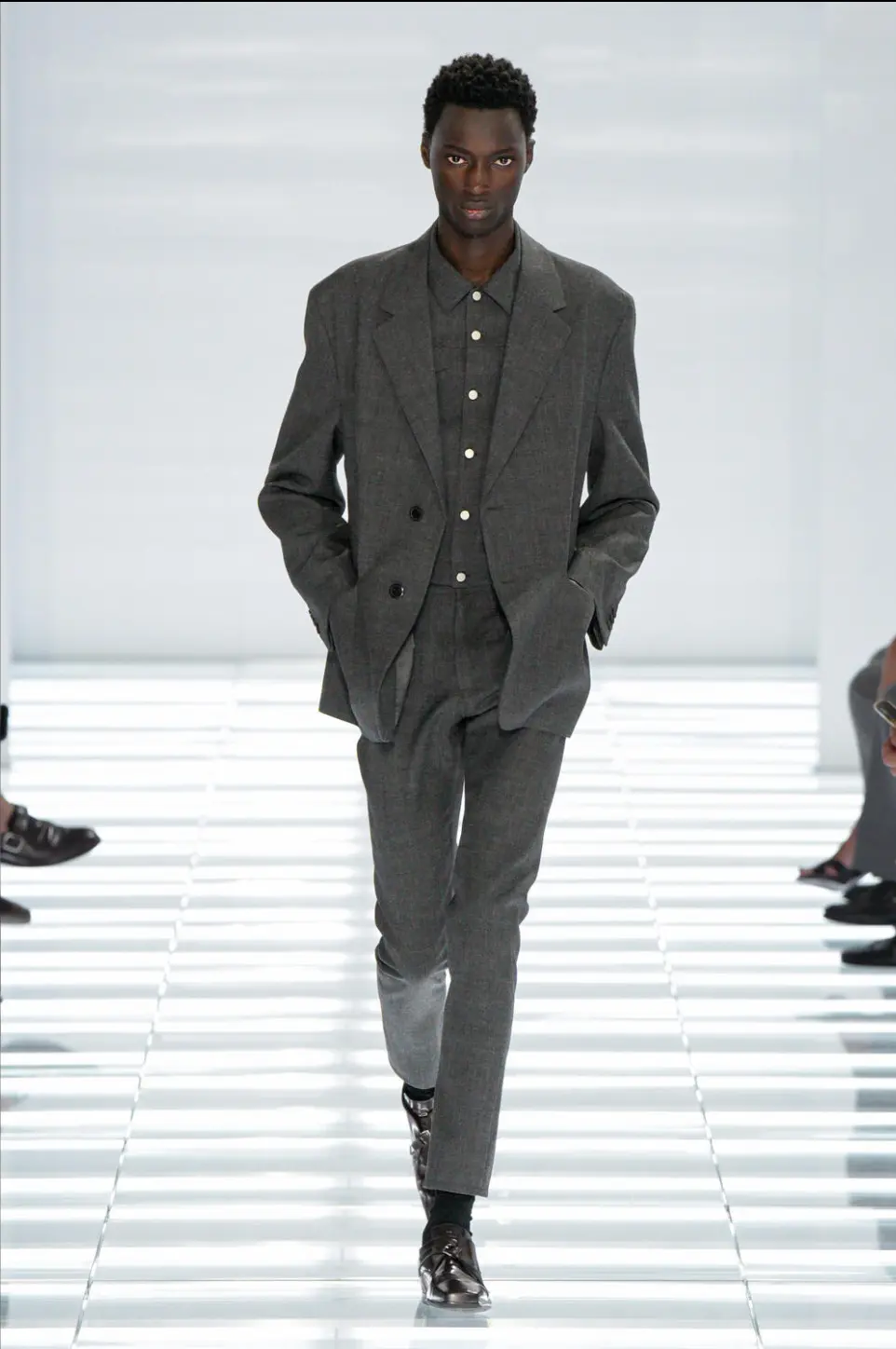
What interested me most, however, was the styling. Leather sandals worn with tailoring, abbreviated proportions, simple knitwear and understated accessories created looks that felt considered without appearing overworked. I was reminded, watching it, of Raf Simons when he showed in Paris, when he first put a generation of young men in narrow tailoring and called it something other than formalwear. The reaction then was the same as it is now: a sense that the rules had quietly moved, rather than been broken. It is, as I have always maintained, rarely the garment itself that feels modern. It is how it is worn.
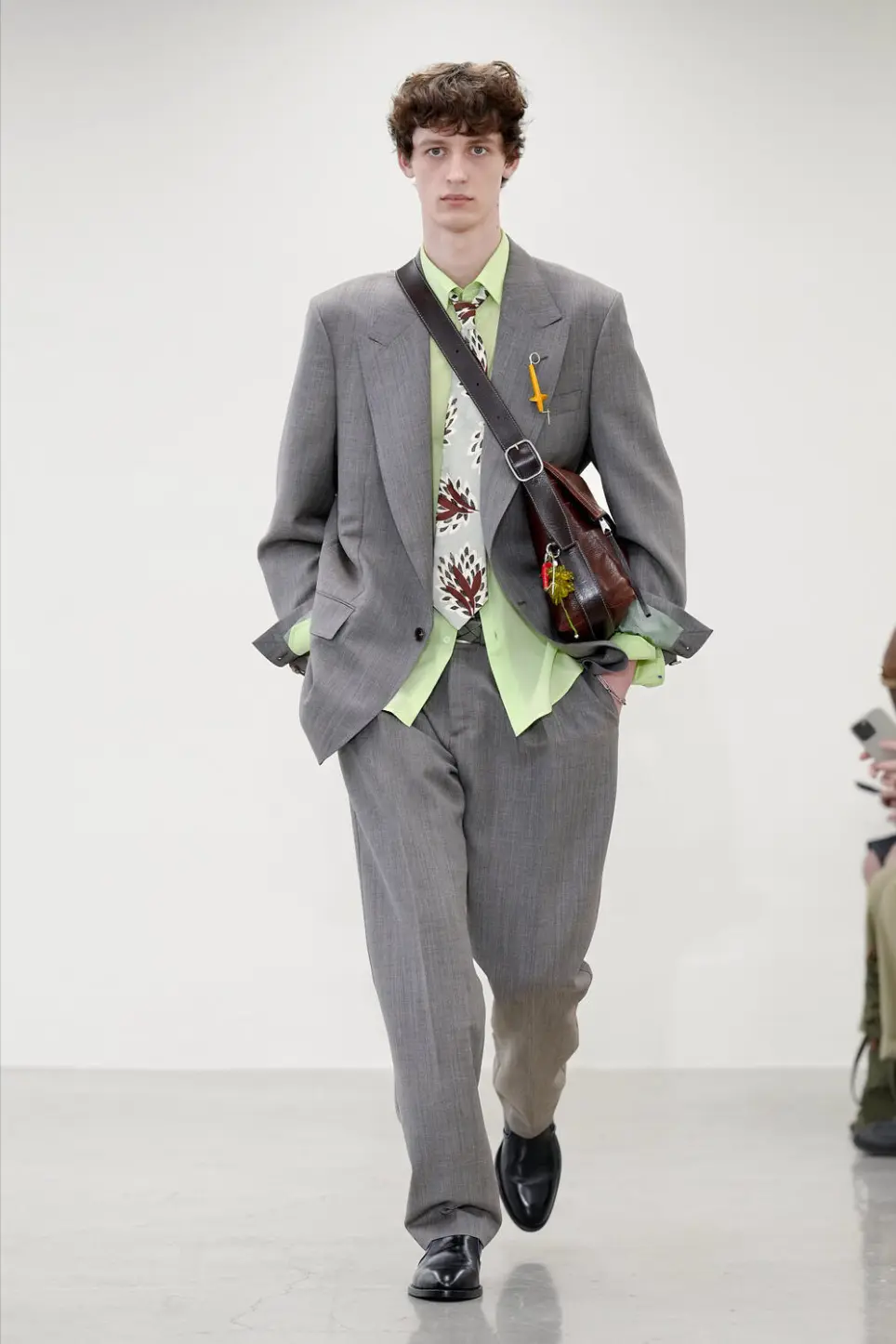
Paul Smith approached tailoring from a different angle. There was a familiarity to the collection that I enjoyed, drawing on the brand's long-standing ability to combine British tailoring traditions with colour, pattern and personality. I remember Paul Smith's own shows in Paris, when that same instinct, traditional cloth and cut, given permission to be playful, first marked him out from his contemporaries. Decades on, the instinct hasn't dated. The cloths felt rich and expressive without becoming overwhelming, whilst the styling encouraged individual interpretation rather than strict adherence to rules.
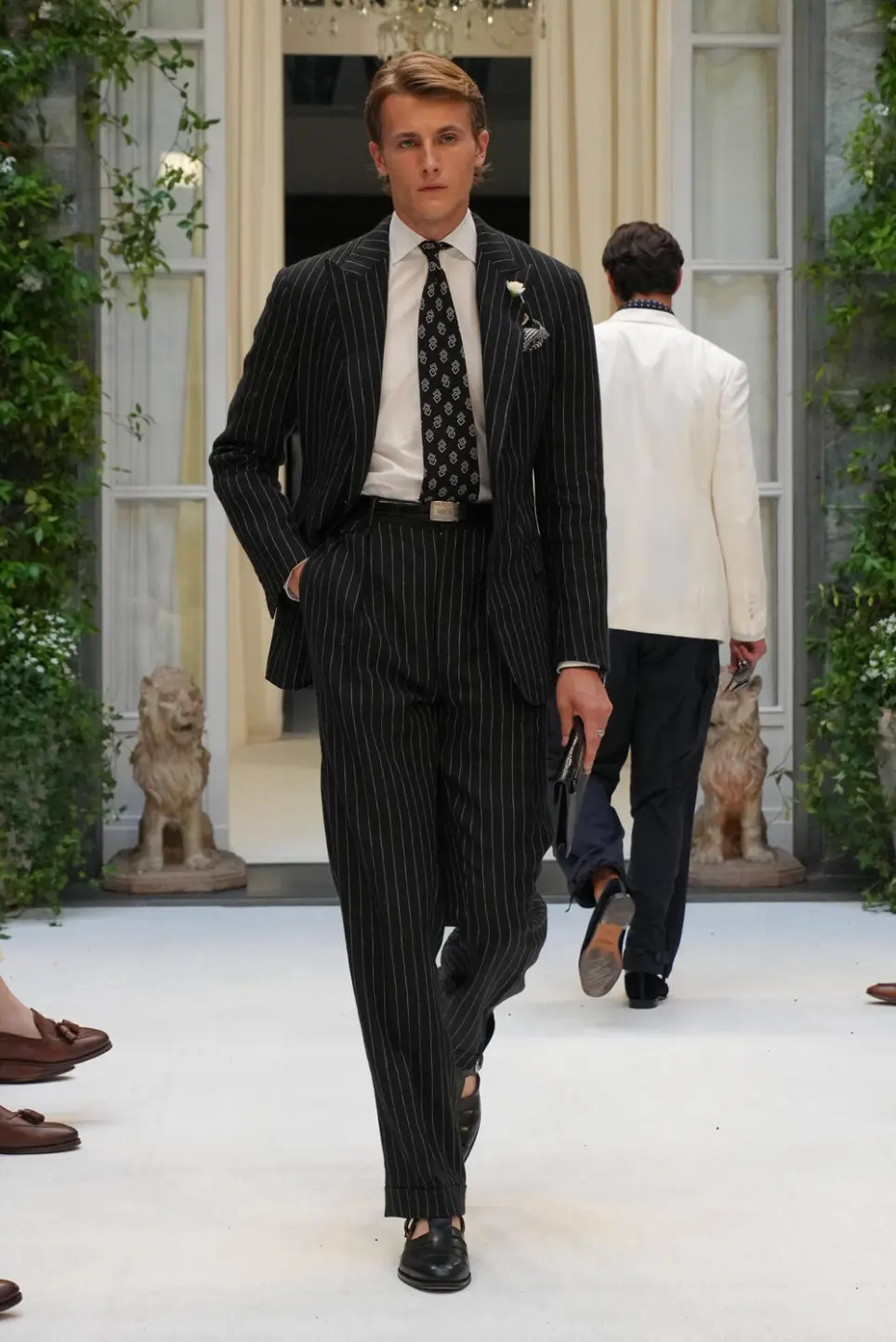
Ralph Lauren, meanwhile, continues to demonstrate why timelessness remains such a powerful proposition. Beautiful cloths, relaxed tailoring and an effortless layering of accessories created wardrobes rather than outfits. Neckwear, jewellery, belts, bags and eyewear all played supporting roles, adding character without distracting from the clothing itself. It is a lesson I have watched the brand deliver, season after season, for most of my working life. Build the wardrobe properly and the outfits take care of themselves.
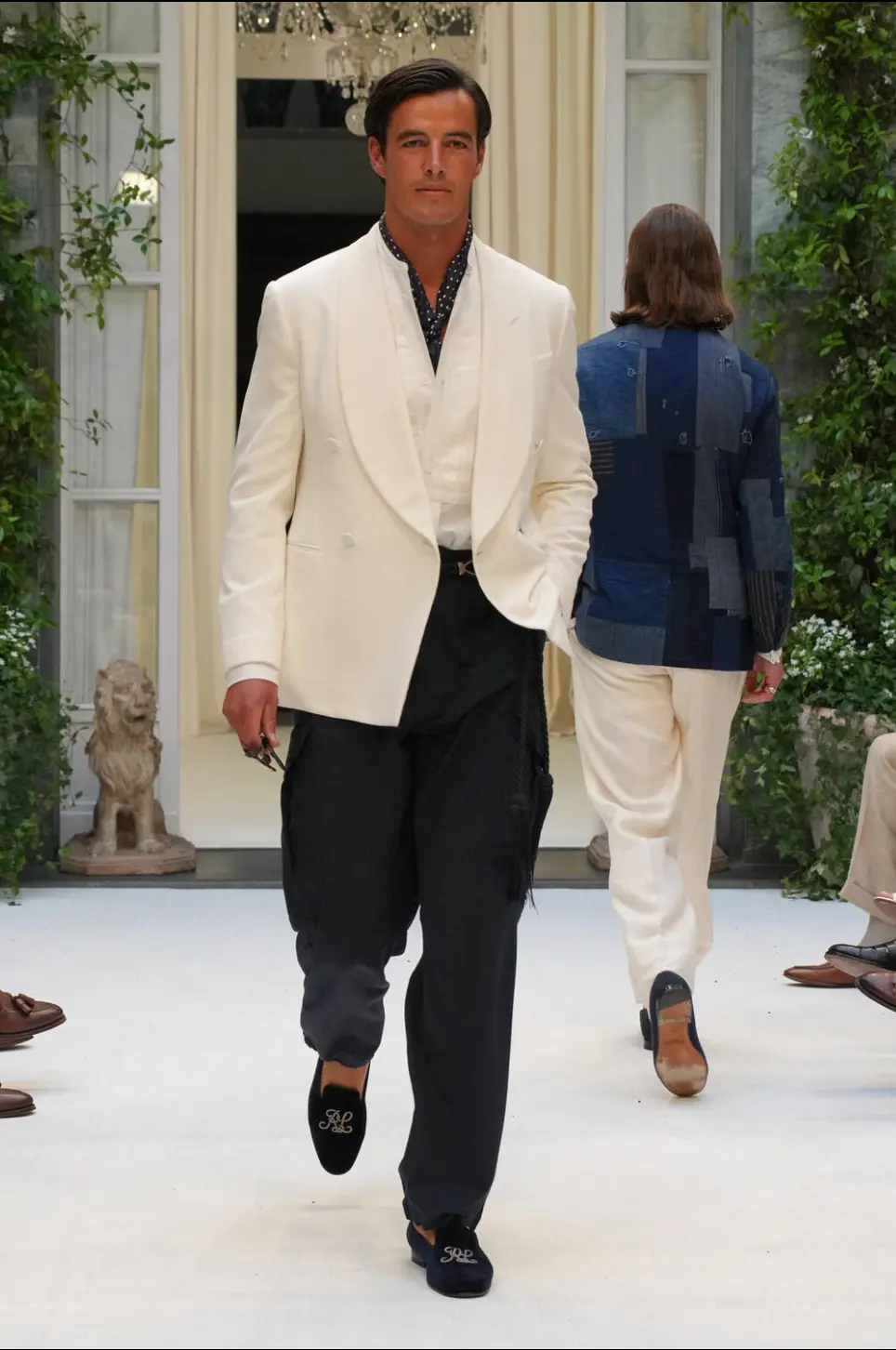
Across Milan more broadly, I noticed a continued move towards softer tailoring, natural fibres and tactile fabrics. Linen, lightweight wool, washed cottons and silk blends appeared frequently, reinforcing a preference for comfort and ease without sacrificing elegance. Accessories were equally important. Rather than acting as statements, they were used to complete a look. A belt, a sandal, a bag or a piece of jewellery often made the difference between something feeling simply tailored and something feeling genuinely personal.
After several years of hearing that "casualisation" would spell the end of the suit, Milan suggested something quite different. The suit remains highly relevant, but it is no longer expected to be worn as a uniform. Instead, it is becoming part of a broader wardrobe, mixed with knitwear, casual footwear and personal accessories.
For those of us who appreciate tailoring, and who have watched these houses long enough to recognise when something genuinely shifts rather than simply repeats, that feels like a far more interesting future.
All Imagery - Milano Fashion Week