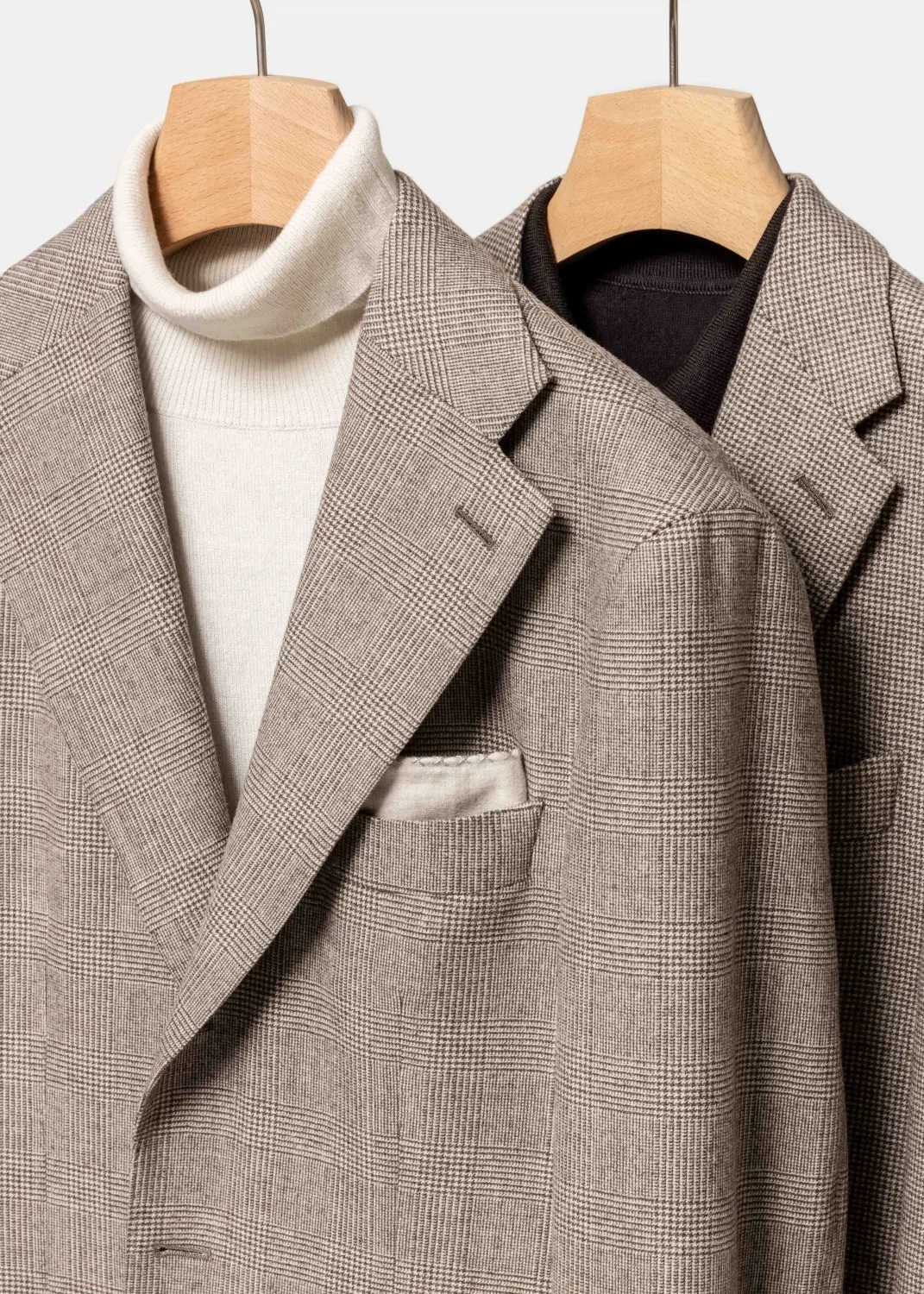
Investing in What You Actually Wear
5 minute read
Clothing
Written by Murray Crane
You're either reacting or you're prepared.
After four decades making clothes for men, this is what separates the ones who dress well: they don't scramble when situations change. They've established their own standards. No dress code telling you what to do? That's not a problem. That's an opportunity to build something better.
The question I hear most in our fitting rooms: "I used to wear a suit to work every day. Now I don't. What do I wear instead?" My advice: stop waiting for dress codes to tell you what to do. You need your own standard. Be prepared. Know what you're building. Then you're not reacting to each situation — you're applying principles you've already established.
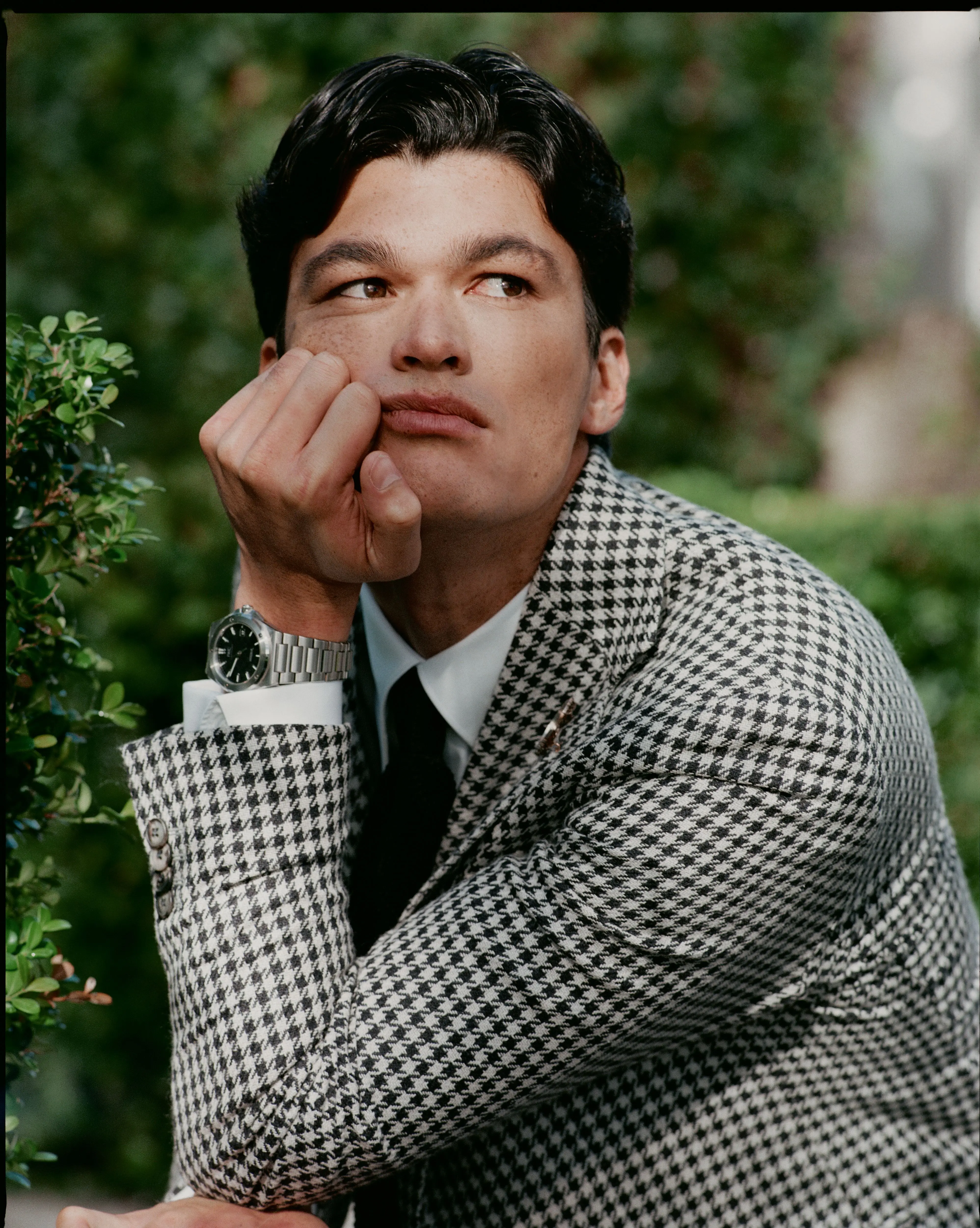
Reacting vs Prepared
Reacting: You need something for Friday's meeting, so you buy something for Friday. You have a wedding in March, so you shop in February. Always behind, always starting from scratch.
Prepared: You establish permanent foundations. You develop a fit profile. You build pieces over time that work together because they're conceived as a system. Strategic, not reactive.
This is what I train our team to do with every client.
Fit Profile
Made-to-measure gives you one thing that matters more than perfect fit: a pattern.
First fitting: I'm taking measurements, learning how you like things to sit. Higher rise? More ease through the chest? Where do you like your jacket length? I'm watching how you move, listening to what matters to you.
Second fitting: refining.
Third fitting onwards: your pattern is developed. I know your build, your preferences, your proportions. Everything I make for you from this point starts from that baseline.
When you come back six months later for trousers, I'm working from your pattern. Your jackets work together because they're cut to the same specifications. Your shirts accommodate your actual build, not some theoretical average. Consistency. That first suit? That's the foundation for your entire wardrobe. We're not just making pieces. We're establishing standards.
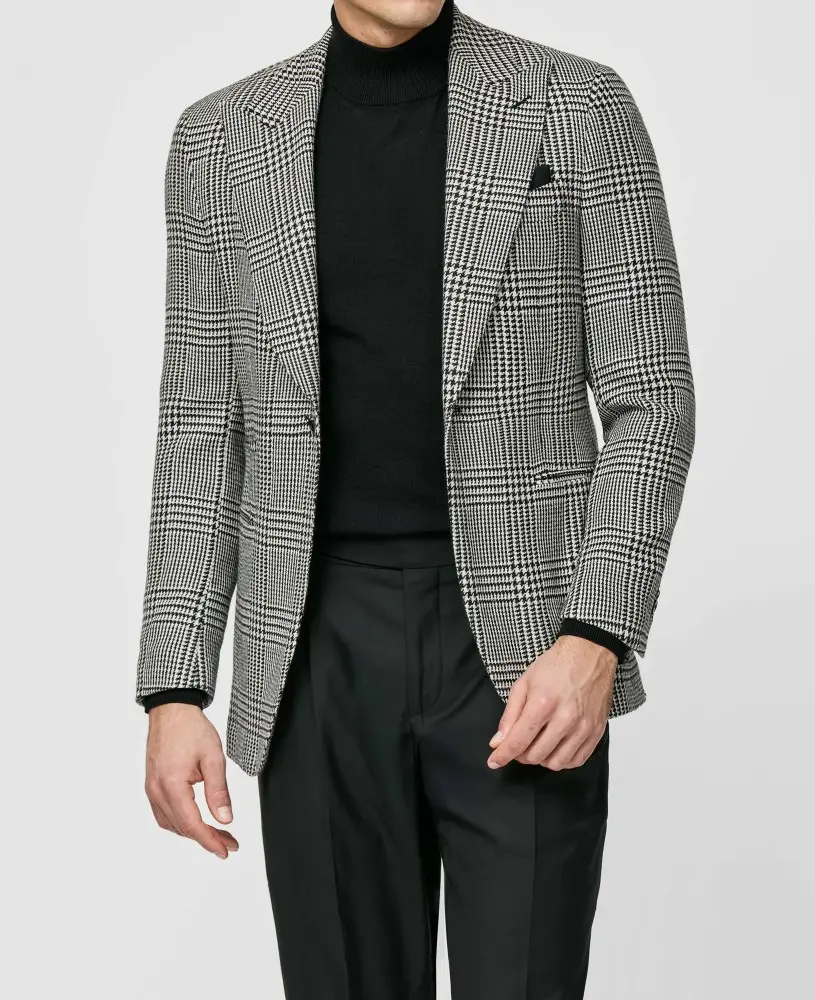
Range Development
I spend time in Europe every year. Meeting with fabric mills in Italy. Visiting workshops. Selecting cloths that last, that age well, that perform in New Zealand conditions. Not chasing trends. Building long-term collections. The navy blazer I'm making for you this season uses the same principles, often the same mills and makers, as the one I made five years ago.
When I develop ranges, I'm thinking about how they work with what you already own. How they layer. How they age. How they hold up to daily wear. Four decades of watching what men actually wear — not what they buy, but what they reach for repeatedly — shapes every collection decision I make. We're not selling individual pieces. We're building wardrobes over time. That requires consistency. Understanding how this season's pieces work with last season's, how next season's will work with what we're making now.
Permanent Foundations
Start with permanent pieces. These don't change season to season. They work year-round, built to last. Navy blazers. Mid-grey wool trousers. Quality denim. Proper shirts. These are the pieces you'll actually wear. These deserve real investment.
Your navy blazer: unstructured — soft shoulder, minimal padding. Works with grey trousers, denim, chinos. Travels. Layers. Bridges formal and informal.
Your mid-grey trousers: pleated, proper rise. Designed as separates from the start, but cut from your fit profile so they work with everything else I've made for you.
Your quality denim: handmade in Italy, constructed with the same attention I give your tailoring. Works with that same blazer.
Your shirts: Oxford cloth, fine cotton. Cut from your pattern. Work open-collar, which is how you'll wear them most. Accommodate ties when needed.
When you open your wardrobe, you're selecting from pieces that work together because they're all cut from the same fit profile. Less effort daily, because the thinking happened when we built the wardrobe together.
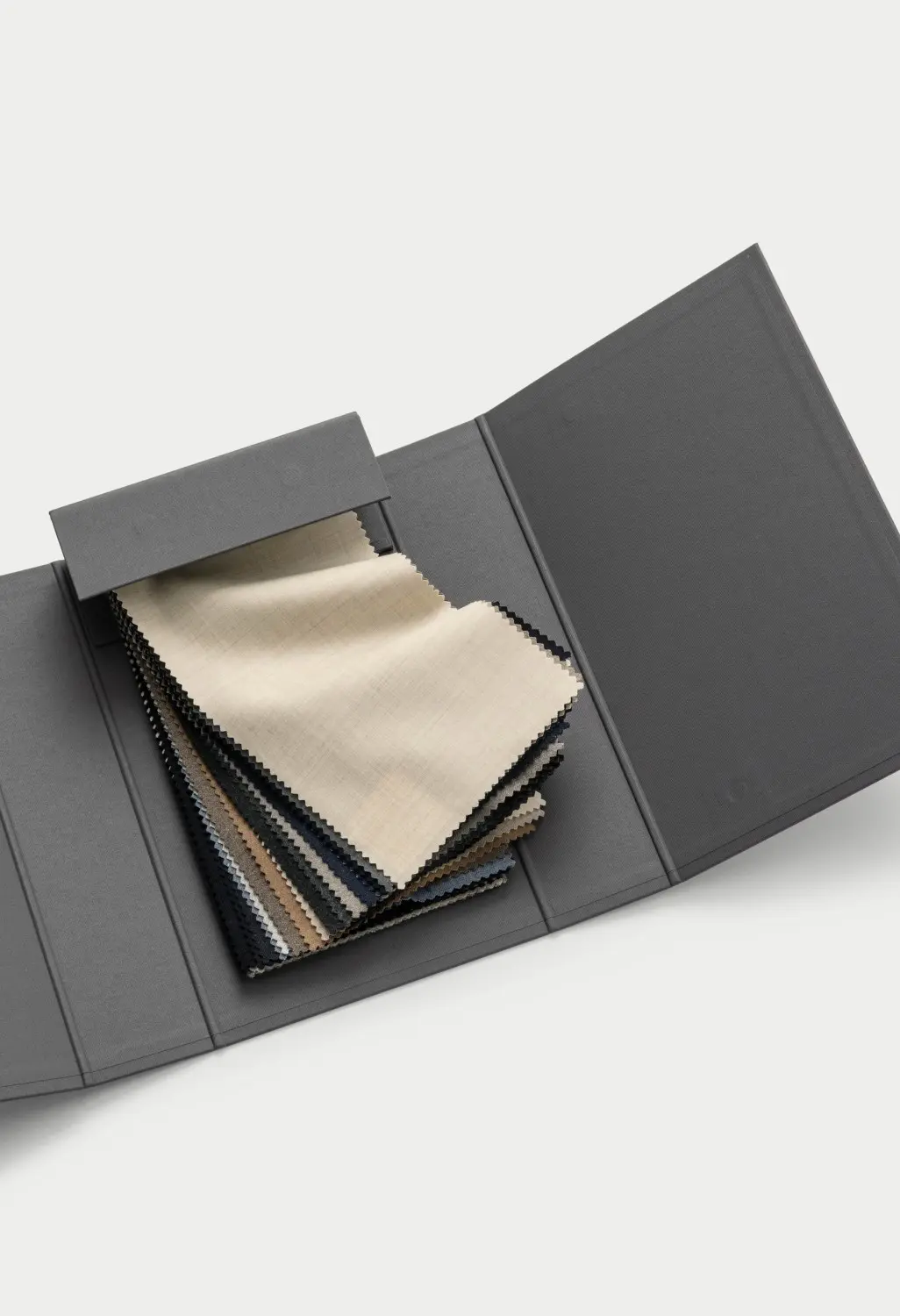
Investment Logic
The pieces you wear most deserve proper investment. Many men assume that because they're not wearing suits daily, investment in tailoring matters less. The opposite is true. Your everyday trousers — worn three days a week — deserve the same attention to fit and construction as your suit trousers worn monthly. Your workhorse blazer deserves to be cut from your established pattern.
Made-to-measure provides consistency across your wardrobe. Everything working together because it's drawn from the same profile. Natural fibres. Wool breathes and recovers. Cotton ages well. Proper lining, clean finishing, considered details. These standards apply whether I'm making you a suit or separates. And suits still matter. They matter more now because they're not ubiquitous. When you wear a suit deliberately — important client meetings, weddings, black tie events — it carries weight.
Made-to-measure, cut from your established pattern, fits in a way ready-made never can.
How We Work
Build permanent foundations. Establish your fit profile through made-to-measure. Develop your pattern over time.
Start with suiting if you haven't already. Not because you'll wear suits daily, but because suiting establishes the standards that apply to everything else. Then add permanent separates cut from that same profile. Think in years, not weeks. Build systems, not outfits. Establish principles that apply consistently. Invest well in the pieces you wear most.
I can't be bothered thinking hard about what to wear every day. And I've been doing this for 40 years. You're not making complex decisions daily — you make them when we establish your fit profile together. When you open your wardrobe, you're selecting from options that already work. Less daily effort, not more.