Dressing Fisher & Paykel for Milan
4 minute read
Design
Fashion
Milan Design Week is the largest design fair in the world. For one week in April, the city becomes the stage on which the global design industry presents its most considered work. The audience is international, informed, and paying close attention. The people in the room are part of the design language.
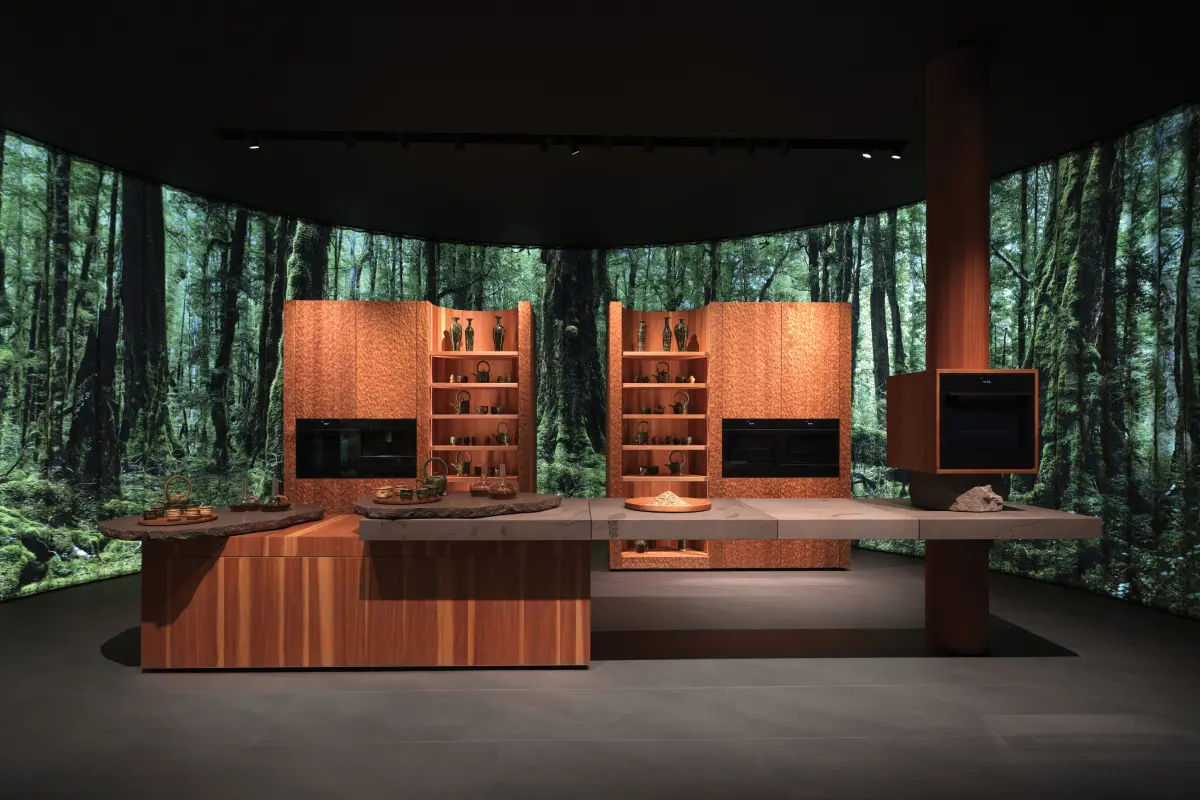
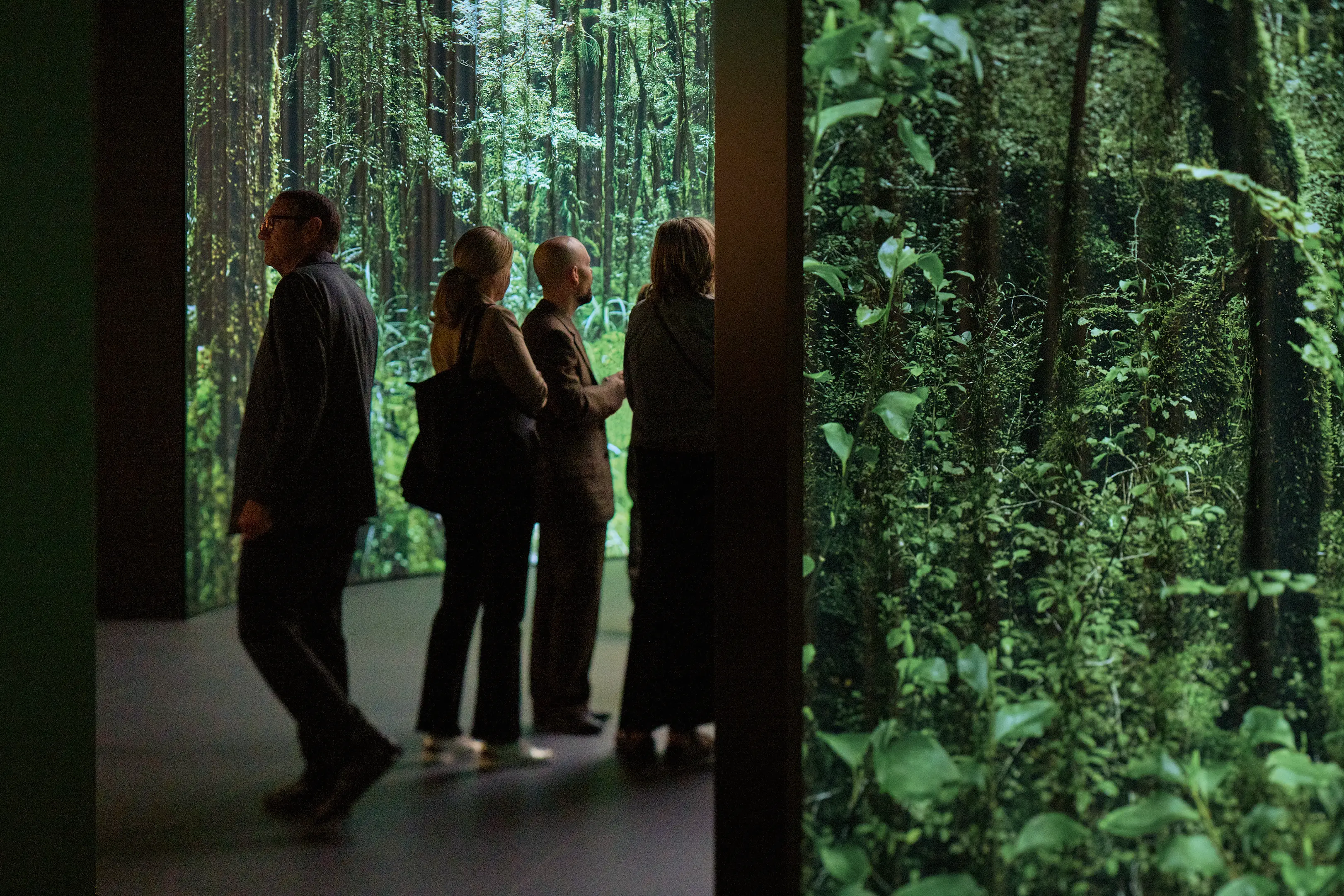
Fisher & Paykel were there with an exhibition that reflected everything the brand stands for. Titled Nature — Ritual and presented at EuroCucina, it drew on the material language of volcanic basalt and carved tōtara, wrapped in what the brand described as a forest veil. The installation also marked the global launch of the State of the Art Collection and new Minimal Style appliances, products designed, in the words of chief executive Daniel Witten-Hannah, to dissolve into the kitchen as architects and designers create material-driven environments. It was among the most talked-about presentations of the fair. For a New Zealand brand on a global stage, it was a significant and confident statement.
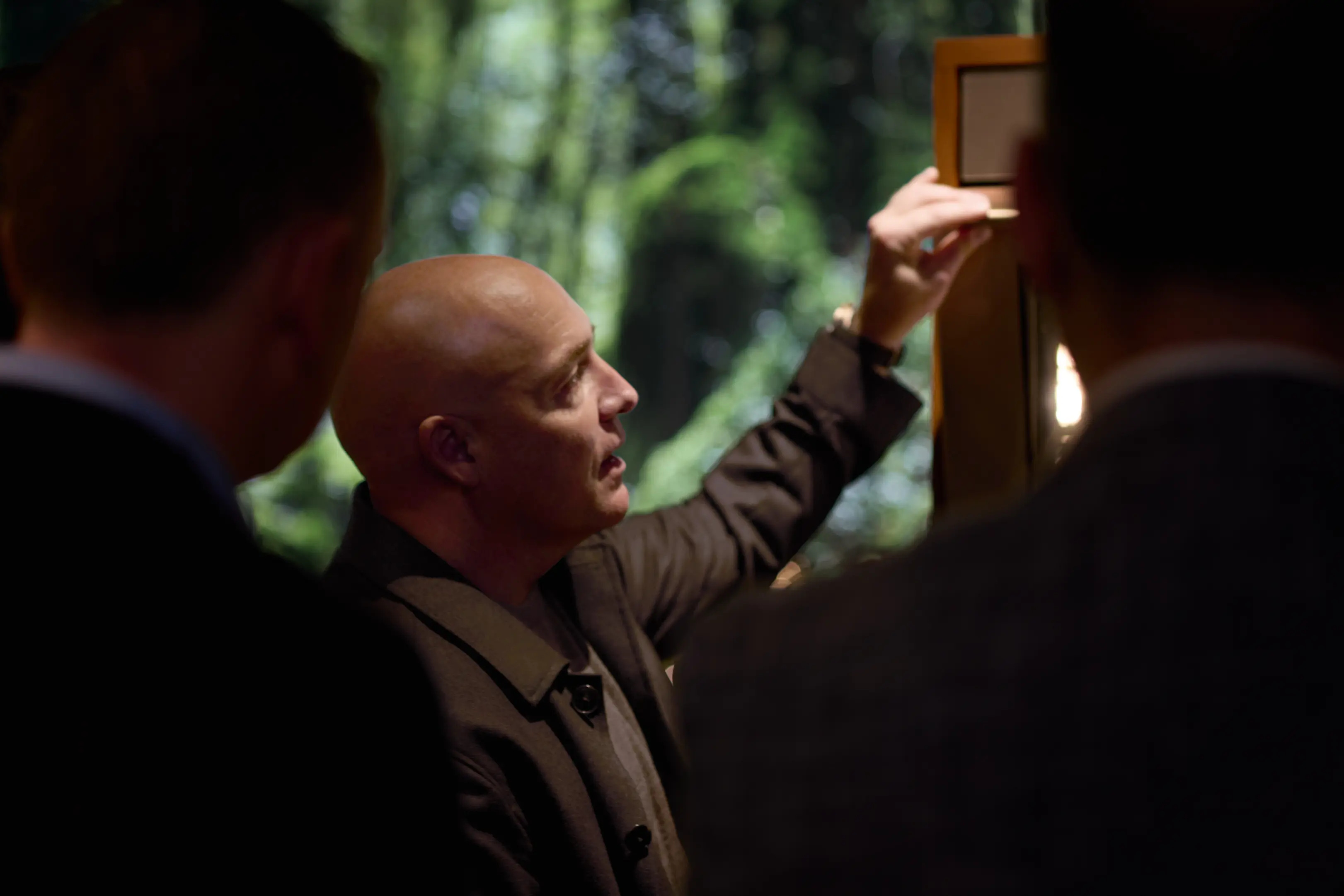
The brief they brought to us was entirely coherent with the product. Materials drawn from the New Zealand landscape, woven in Italy, and finished by hand in Auckland. A design language built on function, restraint, and the considered removal of everything unnecessary.
The wardrobe we proposed was not about fashion. It was about function.
Auckland to Milan is roughly twenty-four hours in the air before the programme even begins. Five executives, multiple days, variable temperatures, and a schedule that moved continuously between formal presentation, open exhibition, client conversation, and evening hospitality. The clothing had to perform across all of it without adjustment, without compromise, and without drawing attention to itself. The same principles that define good product design apply equally to a well-built wardrobe. Clarity of purpose. Economy of means. Nothing that does not need to be there.
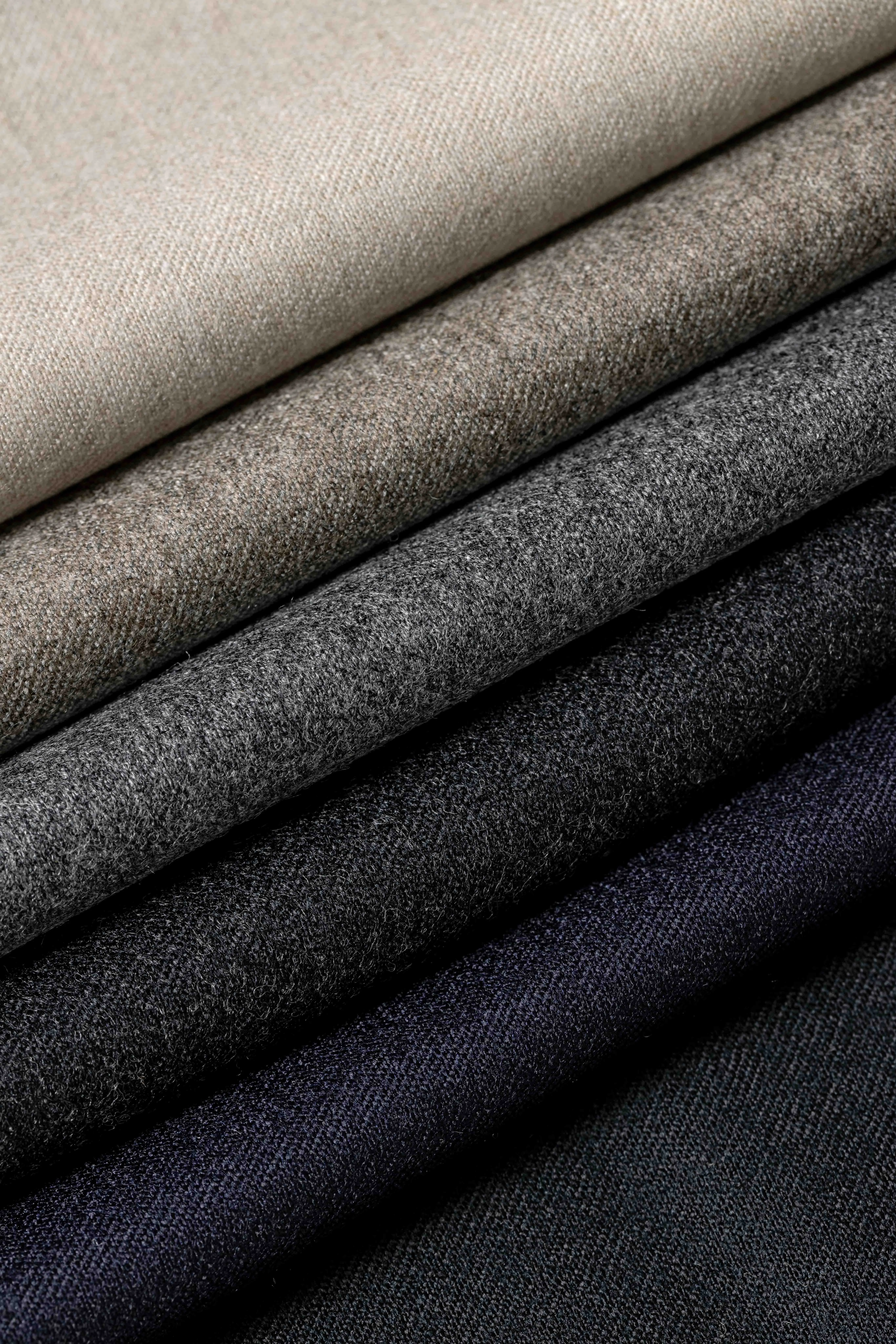
A light flannel trouser and chore jacket in cloth from Vitale Barberis Canonico, made to measure for each member of the team as part of our extensive made-to-measure offering. The wool has a fineness and consistency that most mills do not approach. Natural flex, moisture wicking, high recovery and minimal creasing across long days and longer flights, the properties that make wool the only serious choice for this kind of itinerary. The chore jacket, a seasonal design within the collection, worn as the outer layer, doing the work of a jacket without the weight of one.
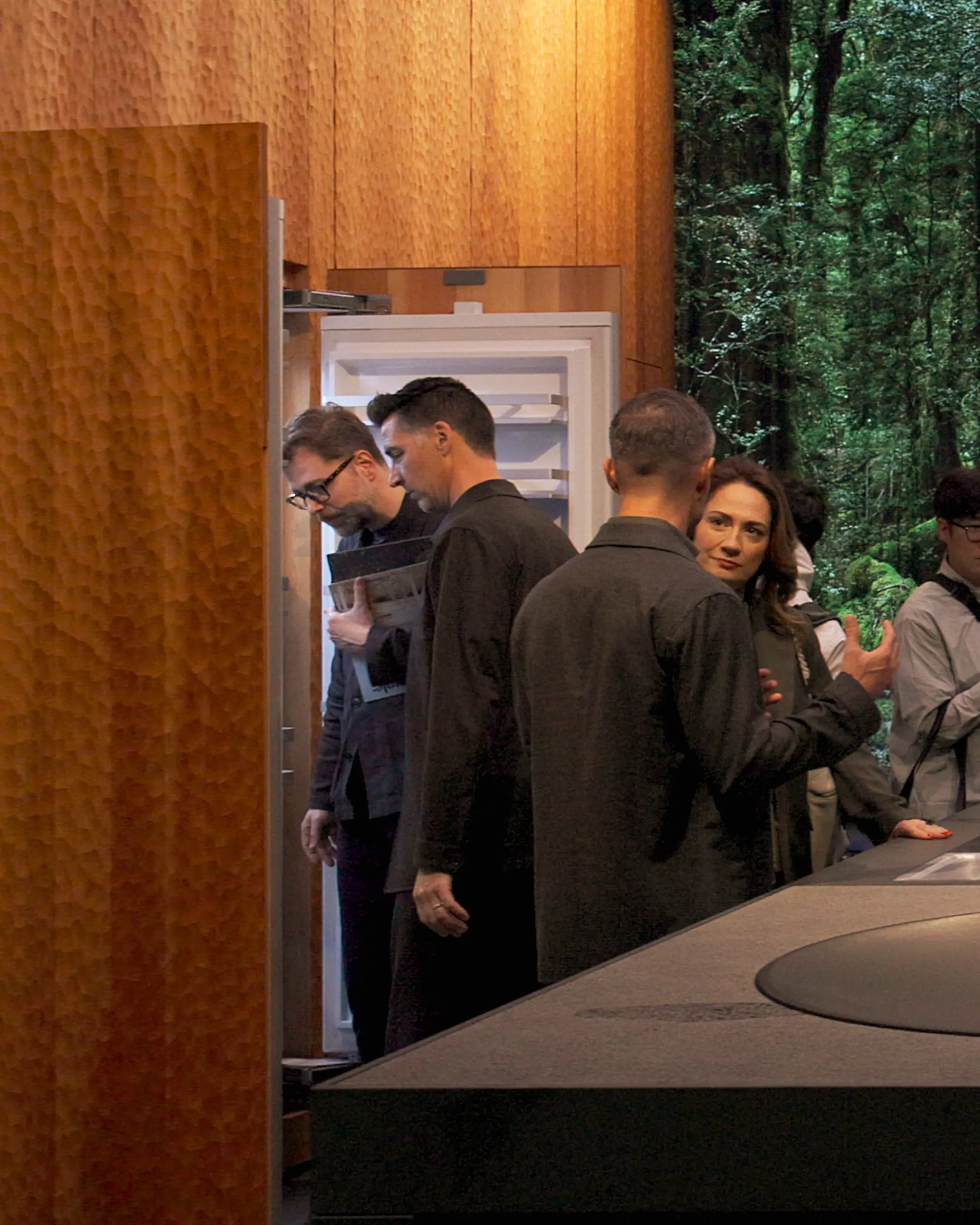
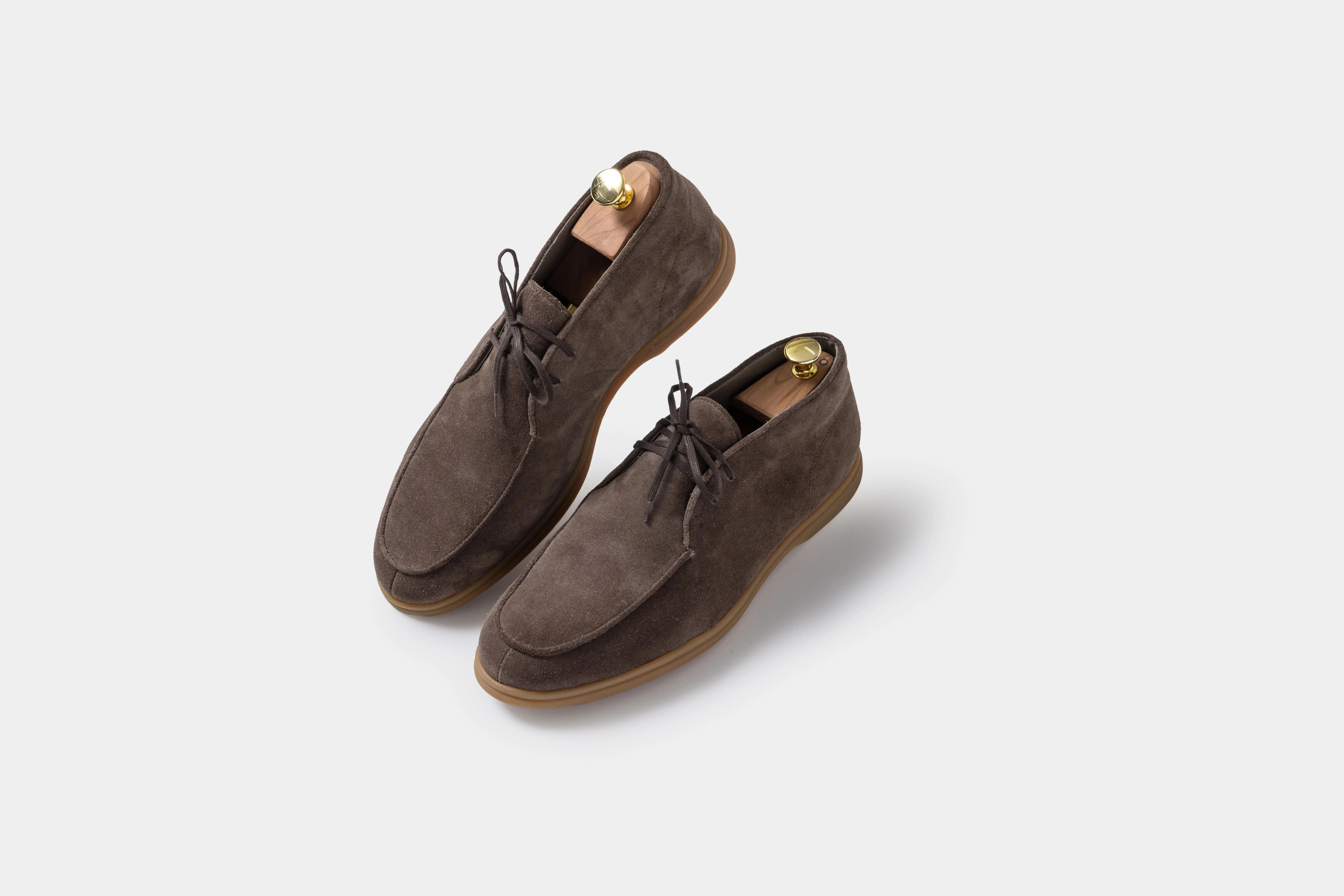
Our merino polo and full-zip bomber, permanent pieces in the Crane Brothers made-to-measure collection, knitted in Zegna yarn spun in Trivero and regarded as one of the finest wool yarns available for knitwear. A cotton piqué polo in Albini shirting cloth, woven in Bergamo, a long-standing partner whose quality has never given us reason to look elsewhere. A city loafer in suede grounding every combination. The palette ran through greys, browns, greens and taupes, the same tonal language as the exhibition itself. The chief executive wore a softer tailoring silhouette within the same palette. Same colours. Quieter hand. Appropriate authority.
The result was a team who looked coherent without looking coordinated, moving through one of the most design-literate environments in the world looking exactly as they should.
Crane Brothers has built its reputation on suiting. But suiting is not the whole story, and it never was. The brief from Fisher & Paykel was a high casual brief, the dressing of creative executives operating at the top of their field in one of the world's most design-literate environments. It is a register we understand well and are increasingly focused on. More than a suit. More considered than casualwear. The wardrobe that serious people reach for when the occasion demands presence without formality.
Fisher & Paykel's Milan exhibition was one of the most considered presentations of the 2026 fair. For Crane Brothers, it was a privilege to be part of it.