
Clarity & Chaos
3 minute read
Musings
Culture
Written by Murray Crane
London felt close to overflowing when I arrived, four weeks out from Christmas. Every restaurant seemed booked, every pavement crowded, yet two dinners stood out, not simply for the food but for the very different versions of the city they revealed.
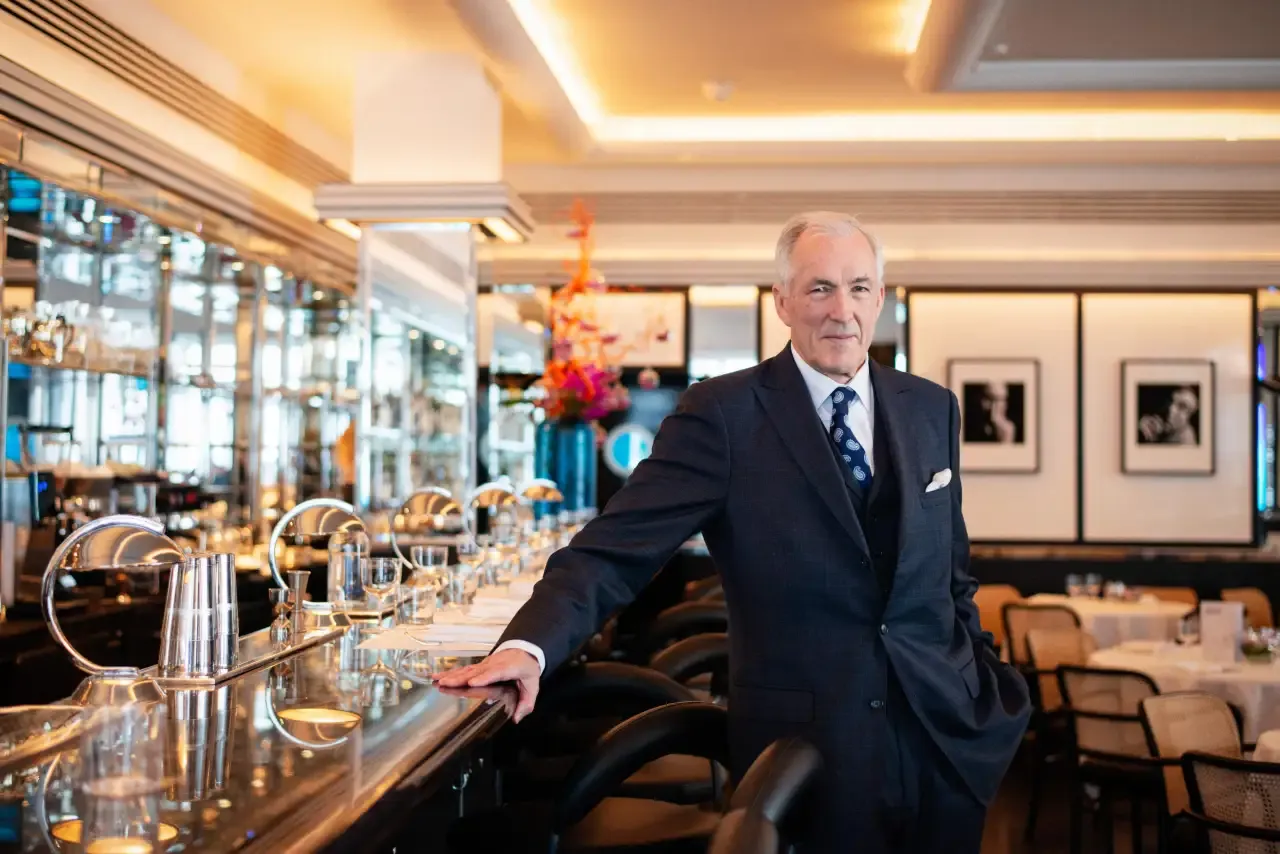
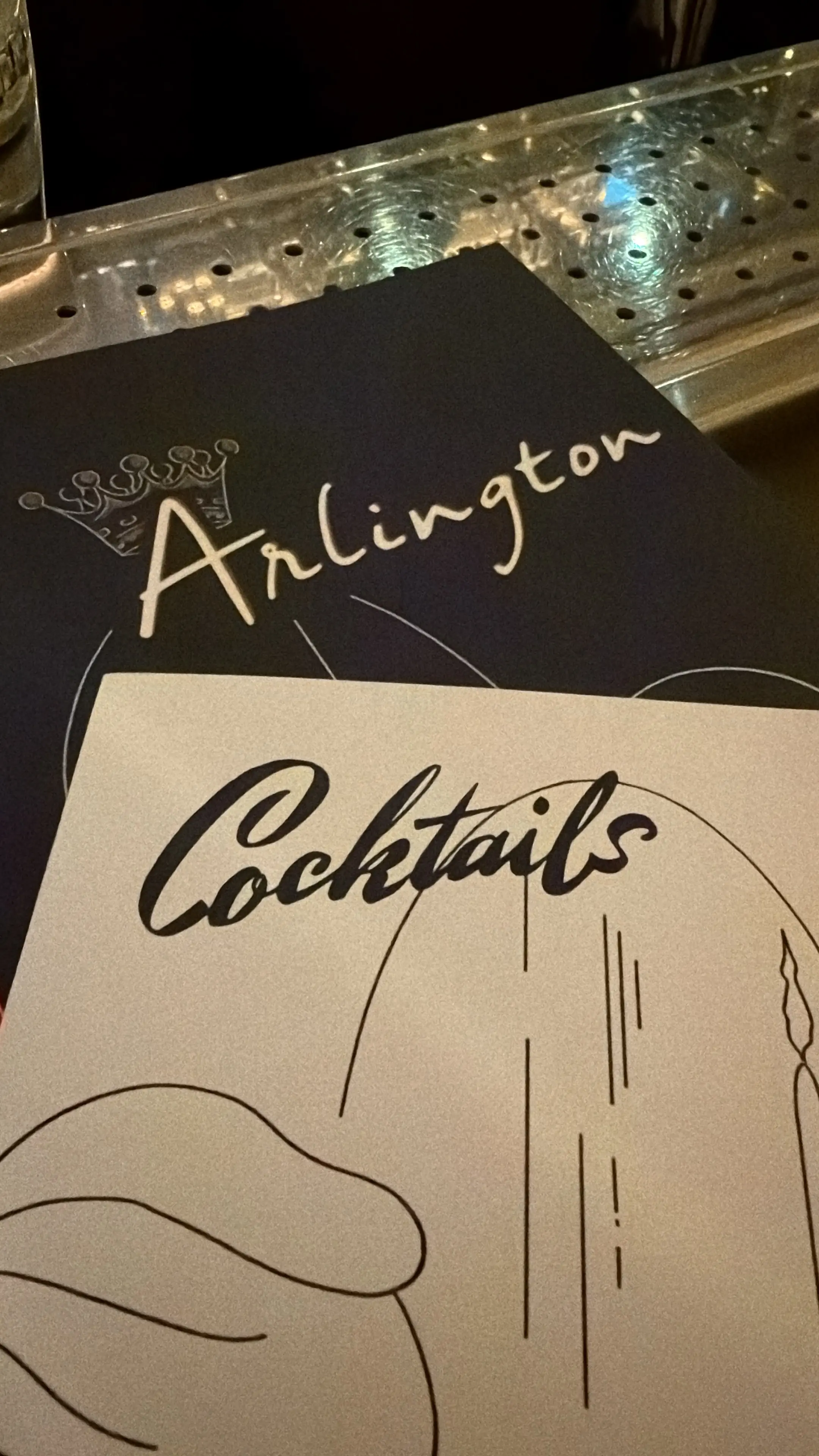
Arlington carries the weight of a long cultural memory. The address alone sets a tone. For years it was home to Le Caprice, the centre of gravity for much of London’s fashionable and creative life in the eighties and nineties. Diana, Princess of Wales, treated it as an unofficial clubhouse. Elizabeth Taylor, Mick Jagger, Madonna, Paul McCartney and Kate Moss all passed through at one point or another. That history still lingers, not as nostalgia but as atmosphere.
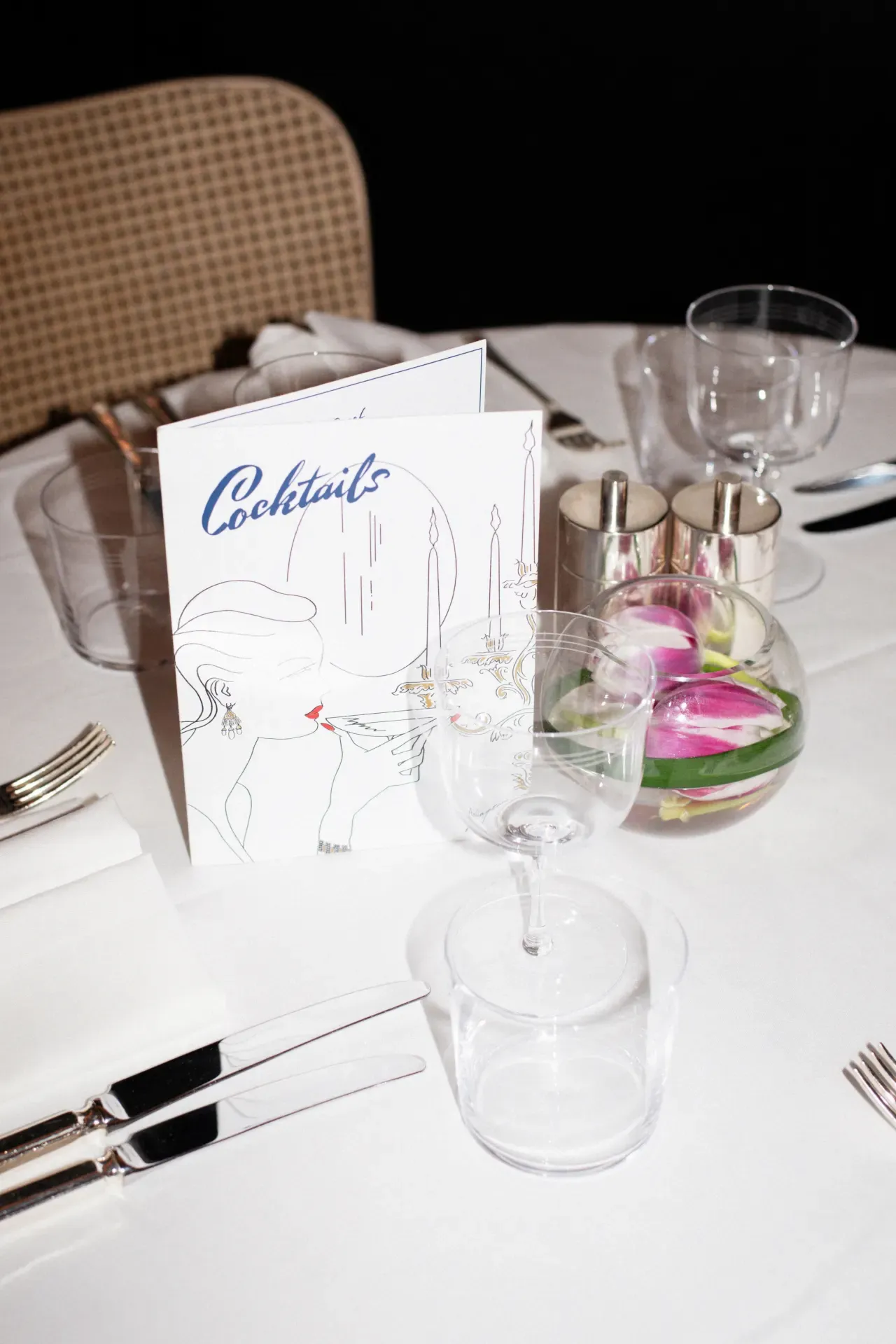
When Jeremy King returned to the site in 2024, he did not attempt to recreate Le Caprice; he rebuilt its spirit. The room feels familiar without feeling old. Mirrored walls, white panelling, cane-backed chairs and David Bailey portraits give it that quiet cultural hum he is known for. I began with a perfectly made Negroni (maybe 2) at the bar before being shown to the table, 14, once favoured by Diana, thanks to generous hosts with a little sway in such things. Jeremy joined us briefly during dinner, and speaking with him brought his philosophy into focus. This is the same mind behind The Wolseley, The Delaunay, Brasserie Zédel and other rooms that helped redefine modern London dining. His belief that restaurants sit at the heart of culture is not rhetoric; it animates the room. Service moves with confident restraint, and what struck me most was the absence of phones. People were present, talking, observing. In dining terms it was one of the trip’s highlights.
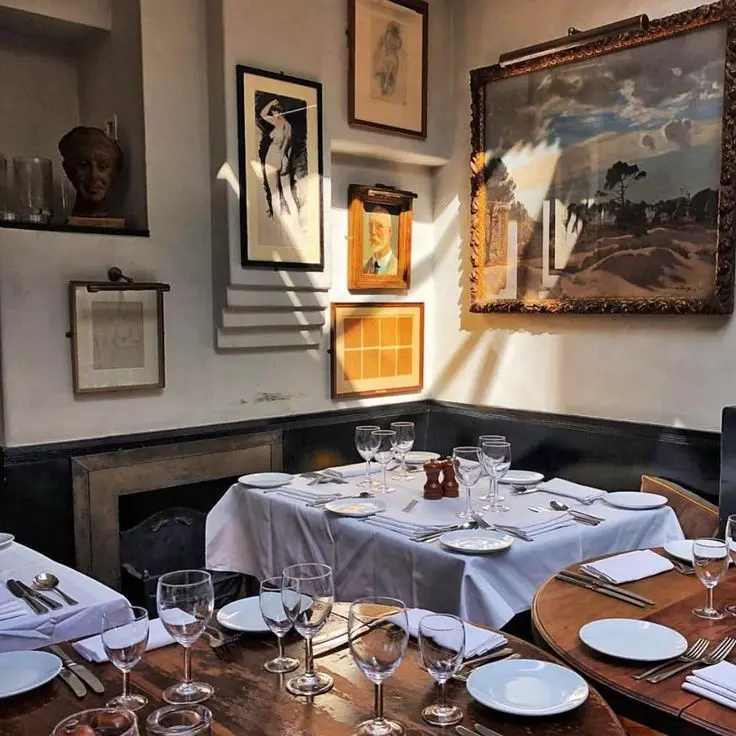
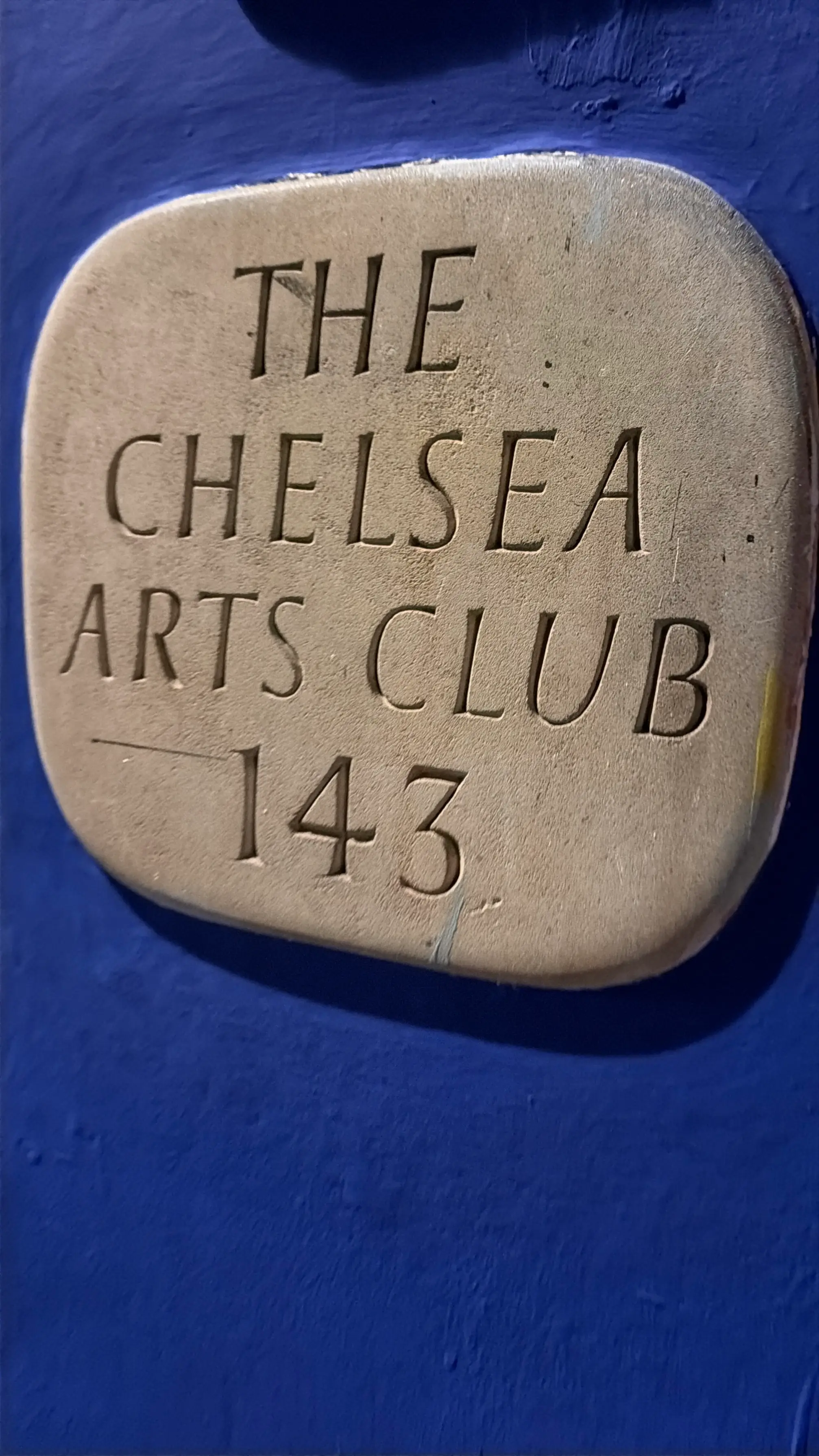
The dinner at the Chelsea Arts Club revealed a very different London. Where Arlington is composed, the Club leans delightfully into its eccentricities. The dining room has that bohemian, gently chaotic energy it is famous for. Guests look as though they have arrived from studios, rehearsals or simply another decade. The walls are a layered collage of paintings, sketches and odd relics collected over generations, the dividing line between art and accident pleasingly unclear.
Small portents of the Club’s history sit in corners and stairwells: stories of notorious dinners, artists quietly altering parts of the building, members who refused to sit anywhere but their chosen perch. None of it is tidied or curated, and that refusal to modernise is its strength. You are not dining in a concept; you are stepping into an ongoing, mildly unruly tradition.
What united both evenings was a sense of presence. Neither room asked you to perform anything. Arlington offered composure, clarity and a feeling of cultural continuity shaped by someone who still runs restaurants from the floor. The Chelsea Arts Club offered cheerful disorder and the kind of creative looseness that London still excels at.
Two dinners, opposite in tone, both memorable. Together they form a portrait of a city that remains gloriously plural, especially at the table.