
Celebrating Italian Cuisine
2 minute read
Musings
Culture
Written by Murray Crane
UNESCO’s recognition of Italian cuisine as an intangible cultural heritage simply formalises what anyone who has travelled through Italy already understands – that food there is a living culture, shaped by place, memory and tradition.
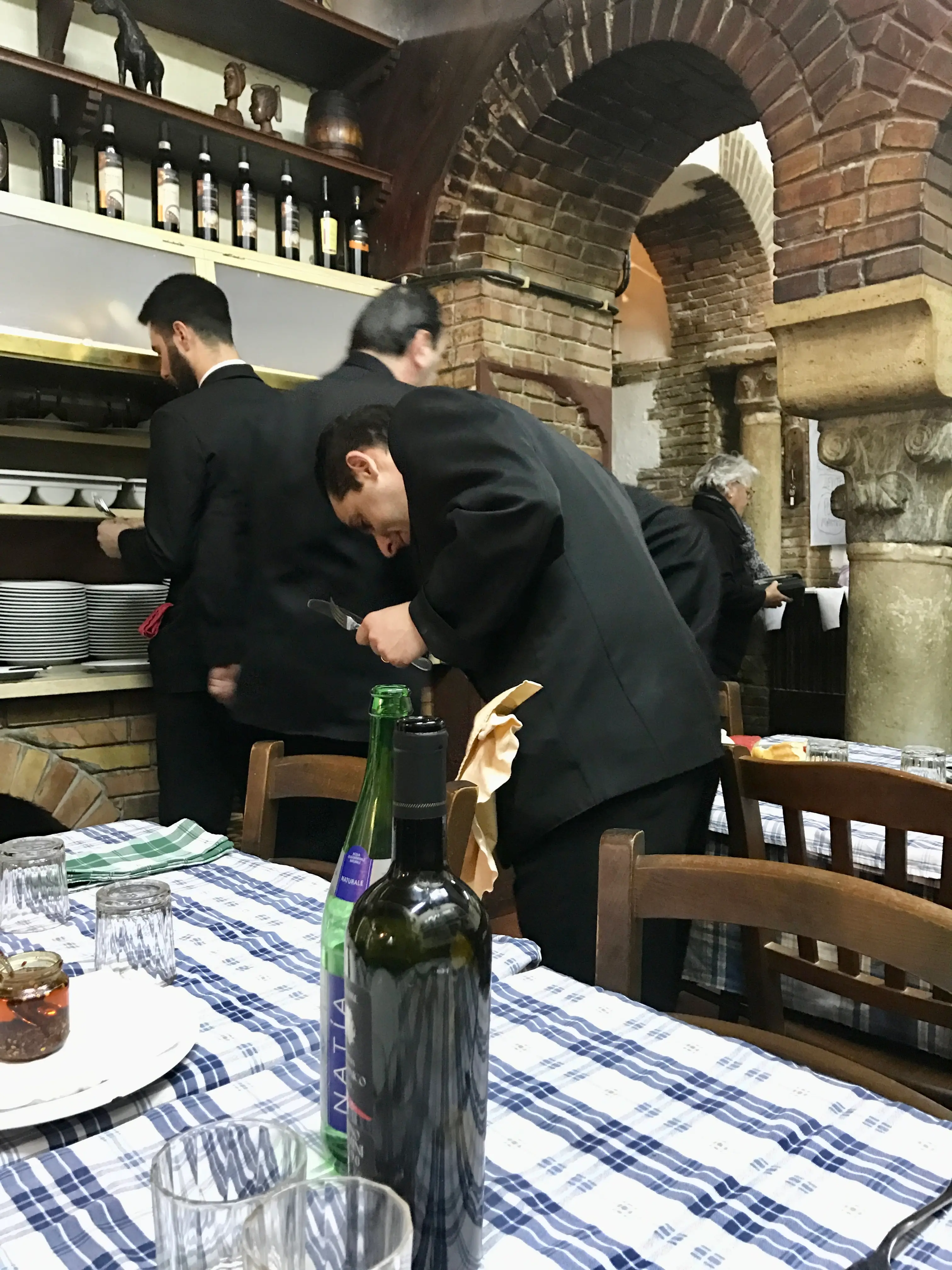
My own experiences over the past thirty years return me again and again to the same cities and the same quiet revelations. In Rome, meals unfold with an unhurried confidence – a plate of cacio e pepe taken at a worn wooden table, a late supper in Trastevere where the evening feels stitched together by conversation as much as by food.
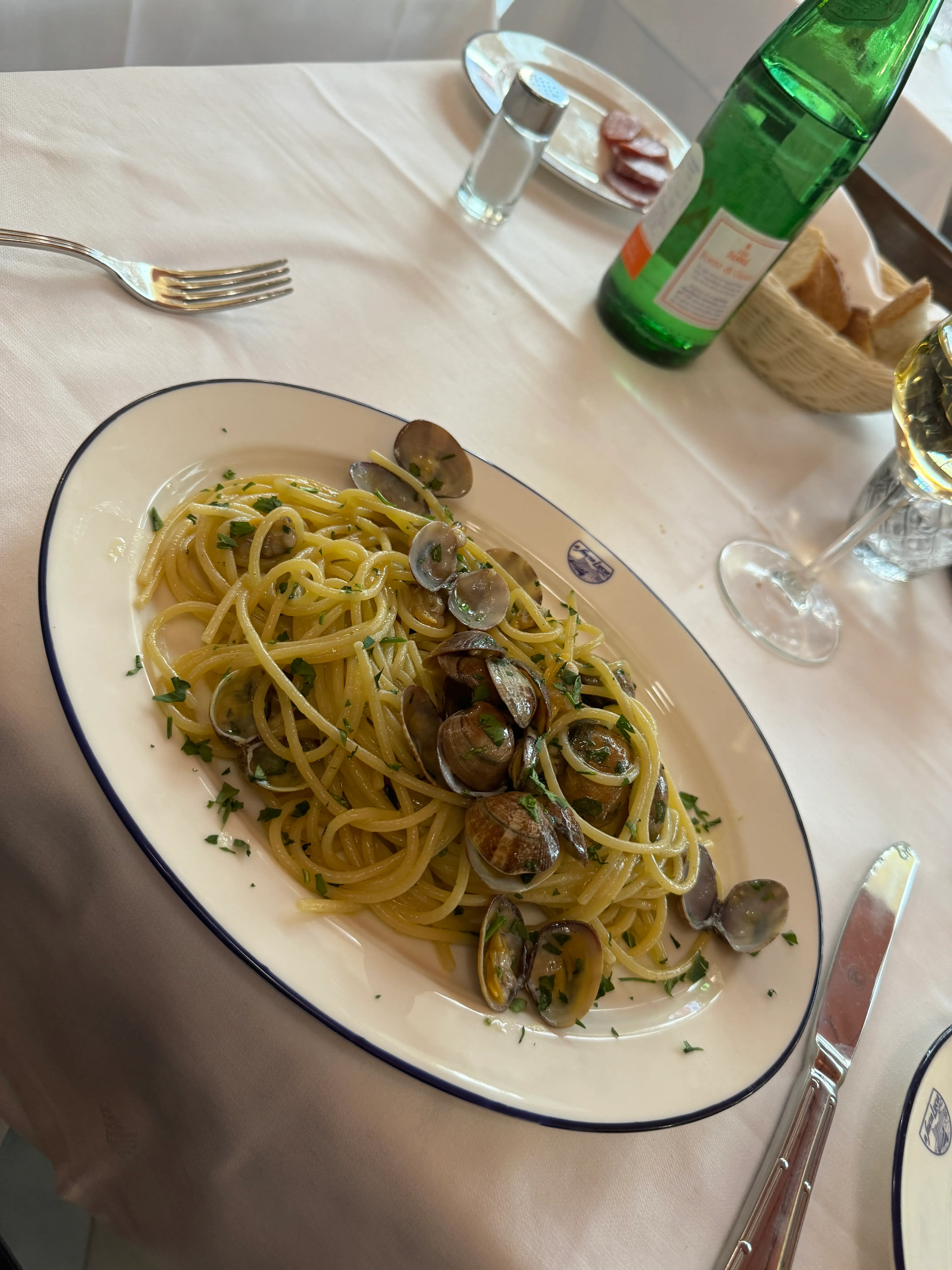
In Naples, the energy shifts. The city’s cooking is direct and generous, rooted in the street as much as the kitchen – a simple pizza eaten fresh from the oven, or a cone of fried seafood at the harbour, can feel as significant as any formal dining room.
Florence offers a different rhythm, one shaped by restraint and clarity – a bowl of ribollita on a cold day, bistecca shared between friends, or a quietly perfect espresso taken standing at the counter. The beauty is in its economy.
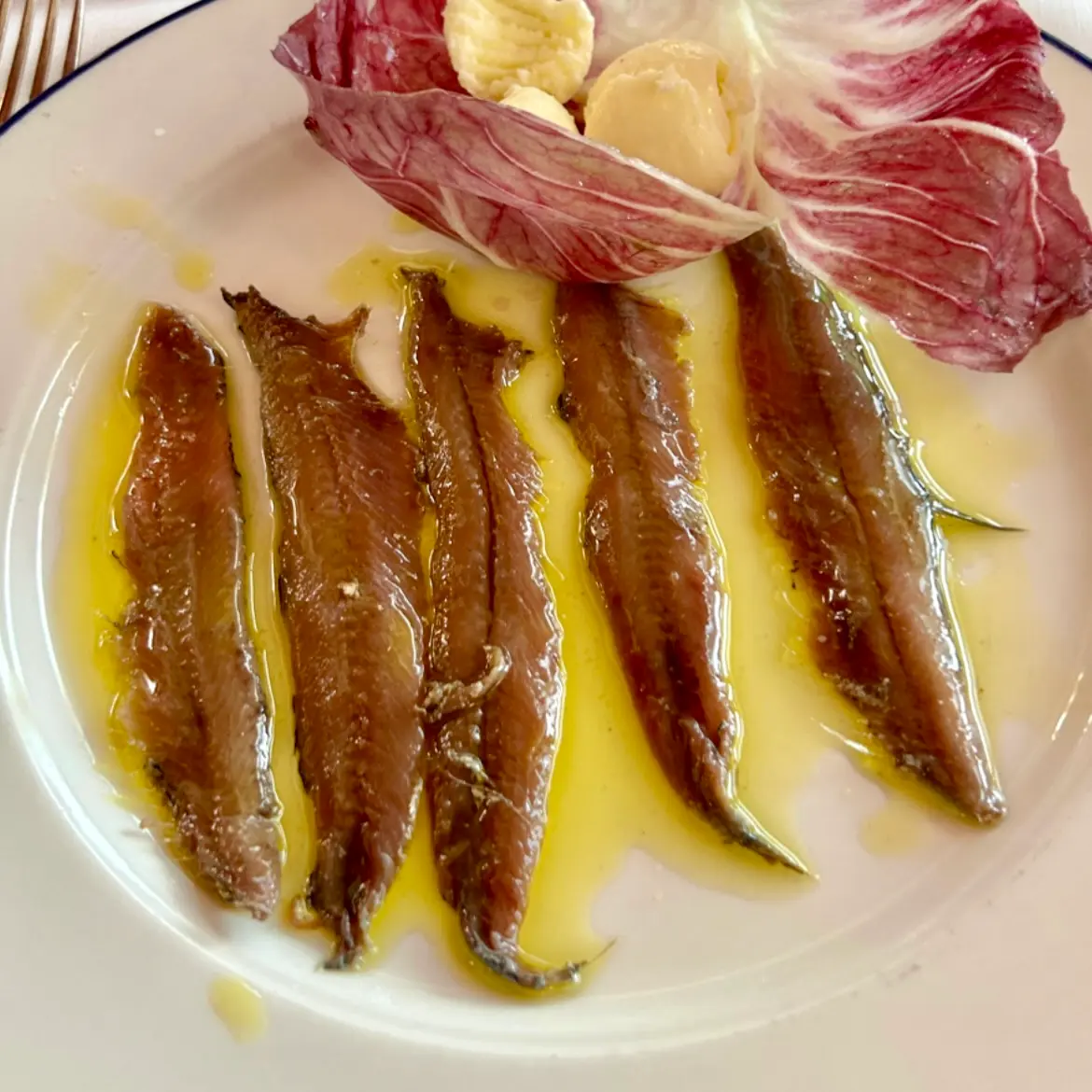
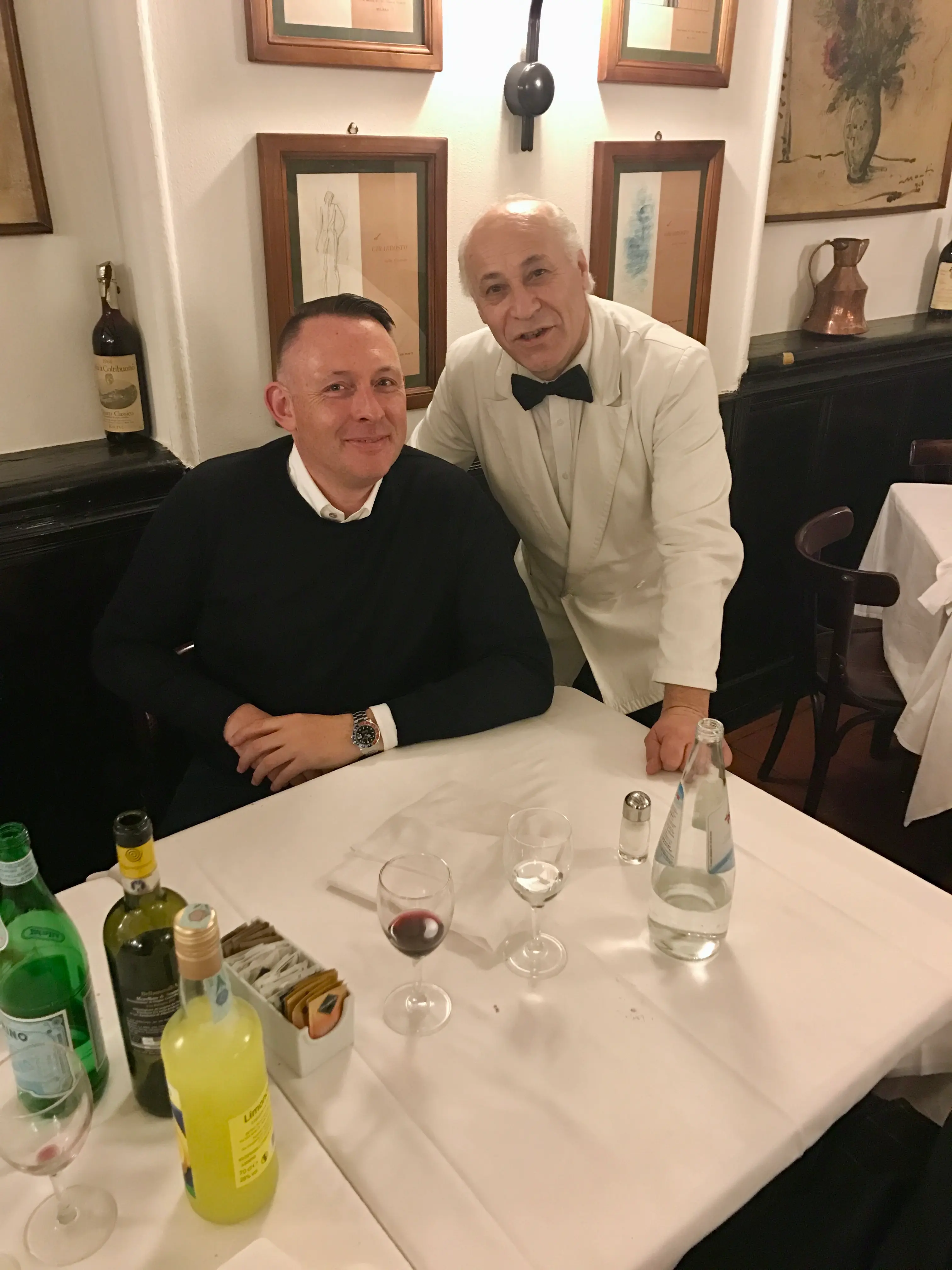
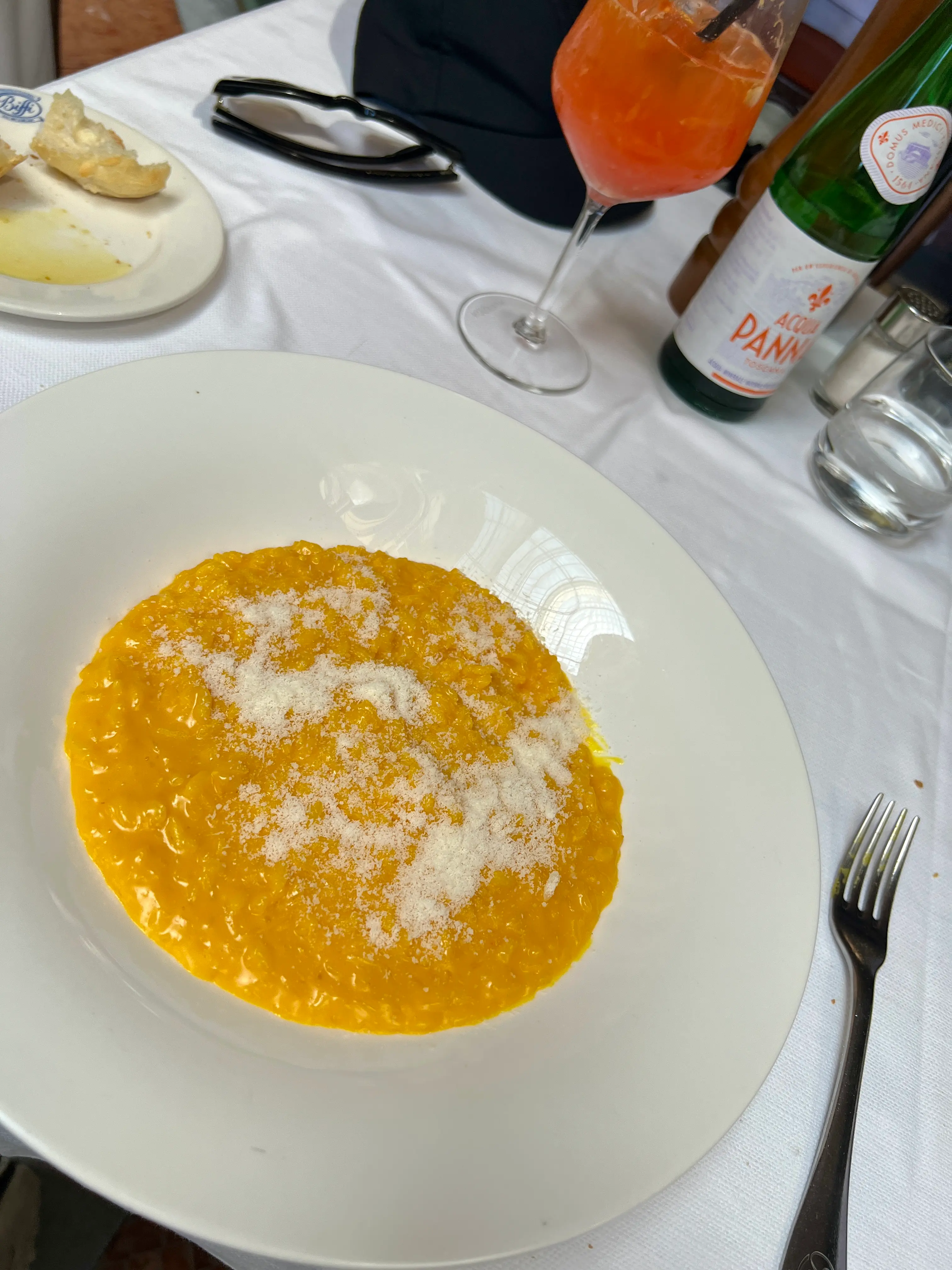
Further north, Milano has given me meals defined by precision and elegance – a saffron risotto that seems deceptively simple yet reveals itself slowly, each spoonful reminding you of how refined and restrained Lombardy’s cooking can be.
I have also found lasting memories in places less expected. In Bergamo, the food carries a northern sturdiness softened by warmth. In Trentinara, high in the hills of Campania, meals are shaped by land and season – tomatoes still warm from the sun, bread baked that morning, olive oil made by the family serving you.
What binds all these experiences is a sense of continuity. Italian cuisine is not a performance; it is a practice. It is the passing on of knowledge, the rhythm of a shared table, and the understanding that food anchors us to place and to one another.
UNESCO’s announcement recognises that truth. For many of us, it simply confirms what our travels have long taught us – that Italy’s cuisine is not just something to eat, but something to live.