
A Modern Guide To Wedding Dress Codes
5 minute read
Weddings
Written by Murray Crane
One of the most common questions I hear when meeting with grooms and their guests is very simple: what does the dress code actually mean?
Wedding invitations have developed quite a vocabulary over the years. Black tie, cocktail,lounge suit, relaxed formal, smart casual. Occasionally even “creative black tie”, which can mean anything from a velvet dinner jacket to something rather less convincing.
Wedding invitations have developed quite a vocabulary over the years. Black tie, cocktail,lounge suit, relaxed formal, smart casual. Occasionally even “creative black tie”, which can mean anything from a velvet dinner jacket to something rather less convincing.
Dress codes are not there to complicate things. Quite the opposite. They create a shared framework so that everyone arrives appropriately dressed and the room carries the sense of occasion the hosts intended. A wedding is one of the few moments in modern life where ceremony still matters. Clothing
plays its part in that.
plays its part in that.
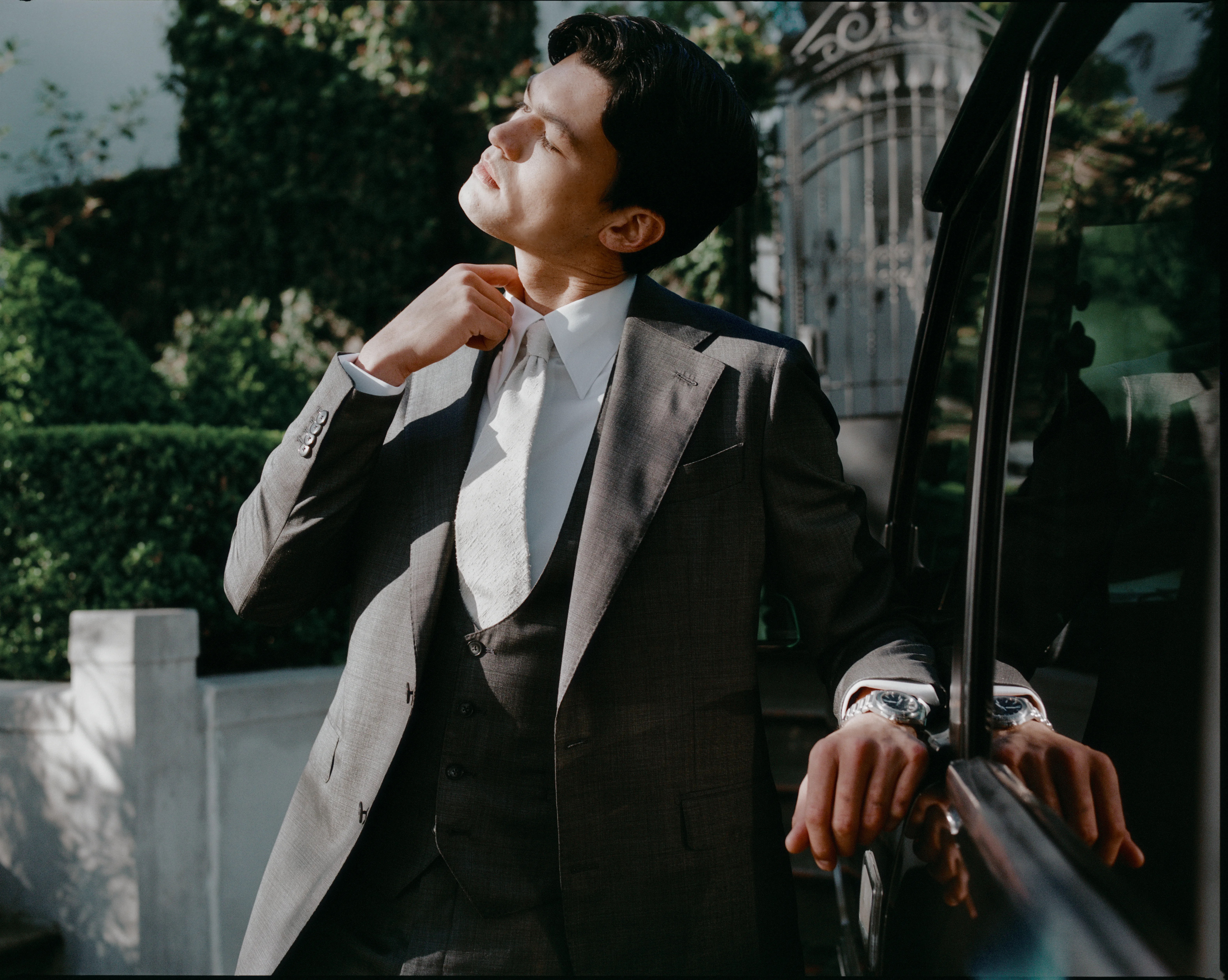
At the top of the hierarchy sits white tie, though it is rarely seen today. This means full evening dress: tailcoat, formal trousers, white waistcoat and white bow tie. Magnificent when worn properly, but thankfully most weddings stop one step short of it.
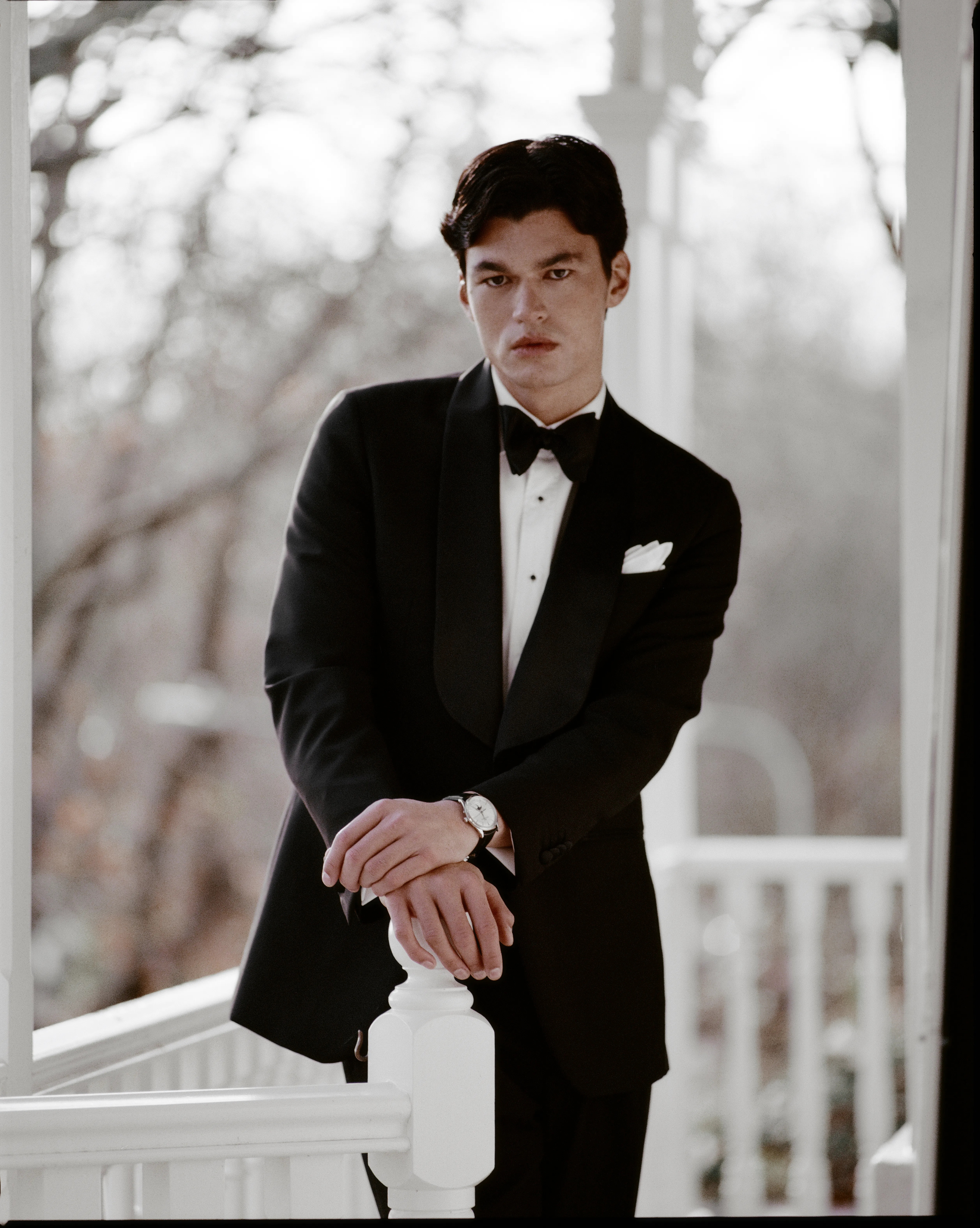
More commonly the invitation will say black tie, which remains one of the most enjoyable dress codes to attend. Black tie is wonderfully straightforward. A dinner jacket, matching trousers, a proper evening shirt and a bow tie. Traditionally the jacket is black, though midnight blue has long been considered equally correct and often looks richer under evening light.
What makes black tie so effective is its clarity. When everyone follows the same framework the room immediately feels elevated. In recent years there has been a welcome return of personality. Velvet jackets appear more often, particularly in winter. Strong peaked lapels and double-breasted tuxedos have quietly
returned. None of this is new. It simply reflects a renewed confidence in formal dressing.
returned. None of this is new. It simply reflects a renewed confidence in formal dressing.
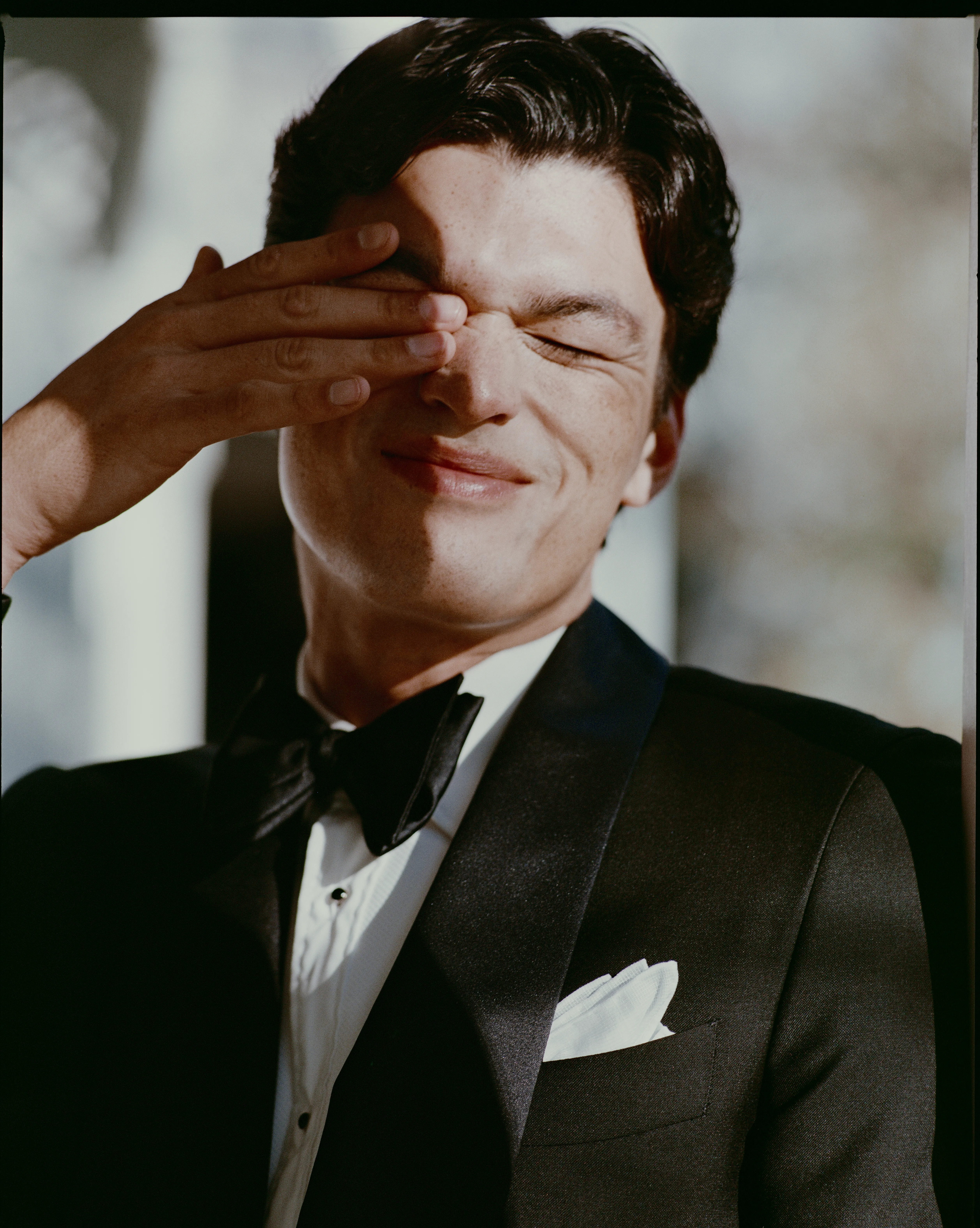
Just beneath this sits what invitations often describe as black tie optional. I prefer to think of it as just shy of black tie. The intention is still formal. If you own a dinner suit, wear it. If not, a beautifully cut dark suit with a proper shirt and tie will sit comfortably within the room. The mistake people make is interpreting “optional” as casual. It is not. The spirit of the evening is still black tie, simply interpreted with a little flexibility.
Next comes the dependable lounge suit, sometimes simply described as formal.
This is traditional British language for a suit and tie. Navy, charcoal or dark grey work best.
This is traditional British language for a suit and tie. Navy, charcoal or dark grey work best.
The emphasis should be on good tailoring and polish rather than business attire. A well-cut suit worn properly will always look appropriate at a wedding. Then we arrive at cocktail, probably the most common dress code today. Cocktail means a tailored suit but with slightly more freedom. Texture, seasonal cloths and interesting ties all have their place. It should still feel polished, simply less rigid than formal
eveningwear.
eveningwear.
Below this sits smart casual, which is where confusion often begins. Smart casual still suggests tailoring. A blazer with trousers, or a soft suit worn open-necked,
works well. Proper shoes remain essential. The aim is relaxed elegance, not weekend clothing. Increasingly we also see relaxed formal, particularly at outdoor or destination weddings. Think lightweight tailoring. Linen or tropical wool suits worn open-necked, suede shoes or loafers. The tone is easier but the intention is still respectful. The key word is relaxed, but the second word remains formal.
works well. Proper shoes remain essential. The aim is relaxed elegance, not weekend clothing. Increasingly we also see relaxed formal, particularly at outdoor or destination weddings. Think lightweight tailoring. Linen or tropical wool suits worn open-necked, suede shoes or loafers. The tone is easier but the intention is still respectful. The key word is relaxed, but the second word remains formal.
There are occasional variations such as garden party, which encourages lighter colours and softer tailoring, or creative black tie, which allows some personality while still respecting the foundations of evening dress.
Once you understand the hierarchy, the decisions become straightforward.
In New Zealand there is one additional factor to consider: the weather. A wedding here may begin in brilliant sunshine, pass through humidity and end with a
determined shower of rain. Summer weddings can be surprisingly hot, and outdoor
ceremonies often give way to cooler evenings.
In New Zealand there is one additional factor to consider: the weather. A wedding here may begin in brilliant sunshine, pass through humidity and end with a
determined shower of rain. Summer weddings can be surprisingly hot, and outdoor
ceremonies often give way to cooler evenings.
Cloth selection therefore matters. Lightweight tropical wools, mohair blends and breathable linens allow tailoring to maintain its shape without becoming uncomfortable. A well-chosen cloth works with the climate rather than against it.
The same principle applies to black tie. A lighter evening cloth will always be more
comfortable than something overly heavy.
The same principle applies to black tie. A lighter evening cloth will always be more
comfortable than something overly heavy.
Good tailoring is as much about practicality as elegance.
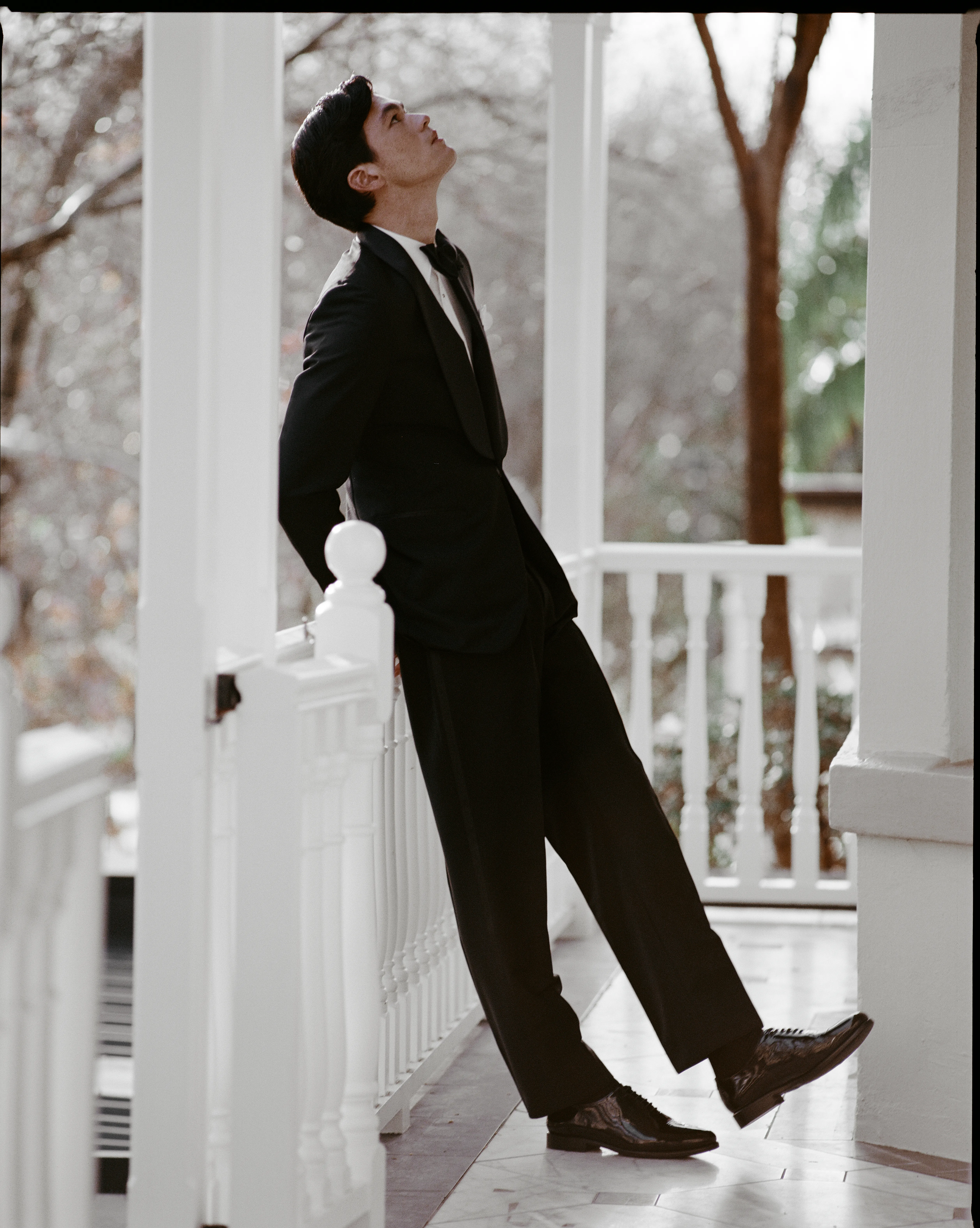
Dress codes ultimately exist to give people confidence. When everyone understands the level of formality, guests arrive comfortable in their choices.
The room feels balanced and the event simply works. For the groom there is one principle worth remembering. Whatever the dress code, the groom should be the best dressed person in the room. This is not about extravagance. It is about care. A beautifully cut suit, the right shirt, polished shoes. These details signal respect for the day. Because long after the music stops and the flowers disappear, the photographs remain.
When a wedding is dressed properly those photographs have a timeless quality. They could have been taken yesterday or fifty years ago and they still feel right.
Ultimately this is about something very simple. Having the confidence to dress.
This article was first published in Issue 2 of Veil Magazine and appears here with minor changes.
Veil Magazine ↗