The Gun Club Check - A Potted History
2 minute read
Clothing
Design
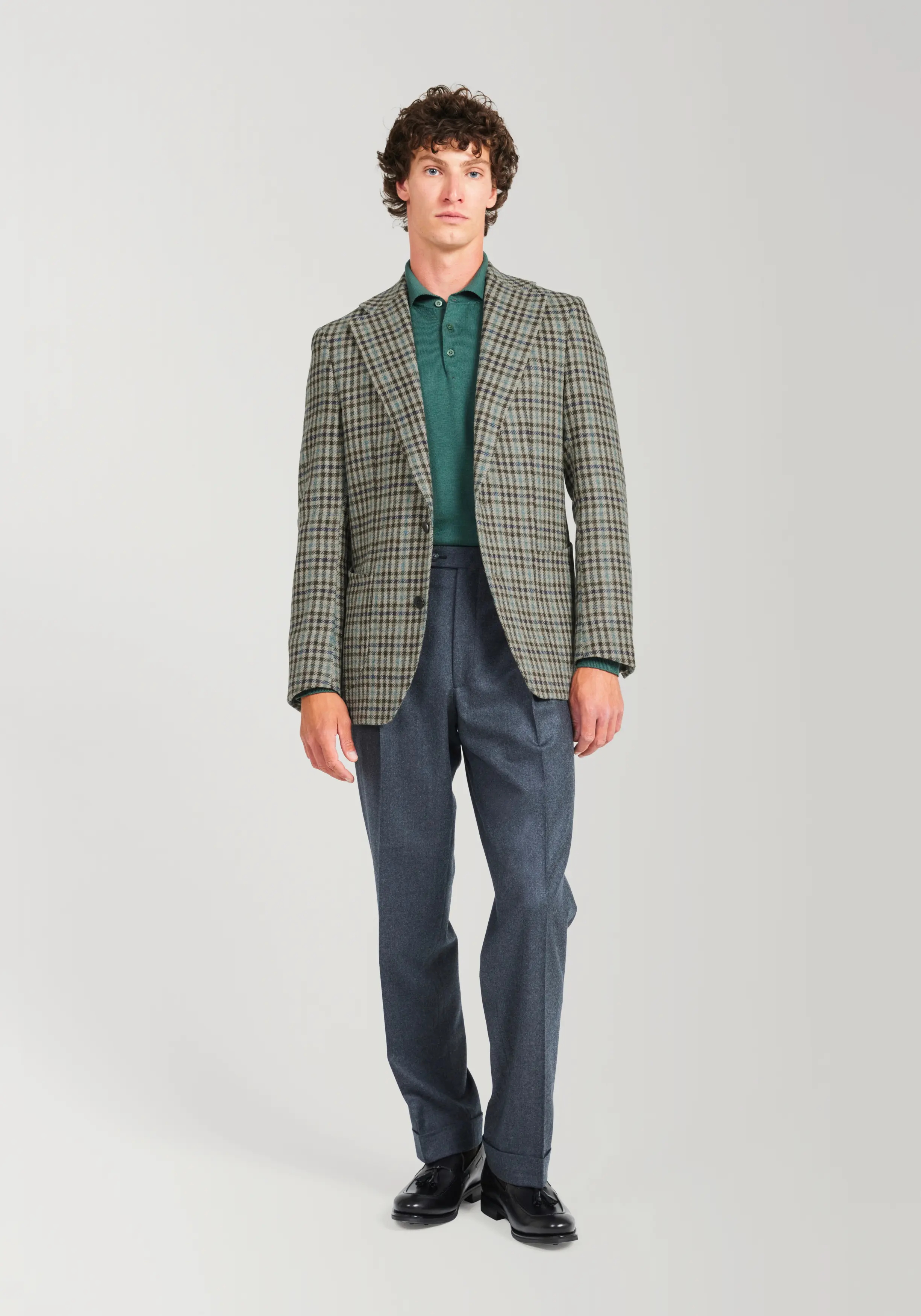
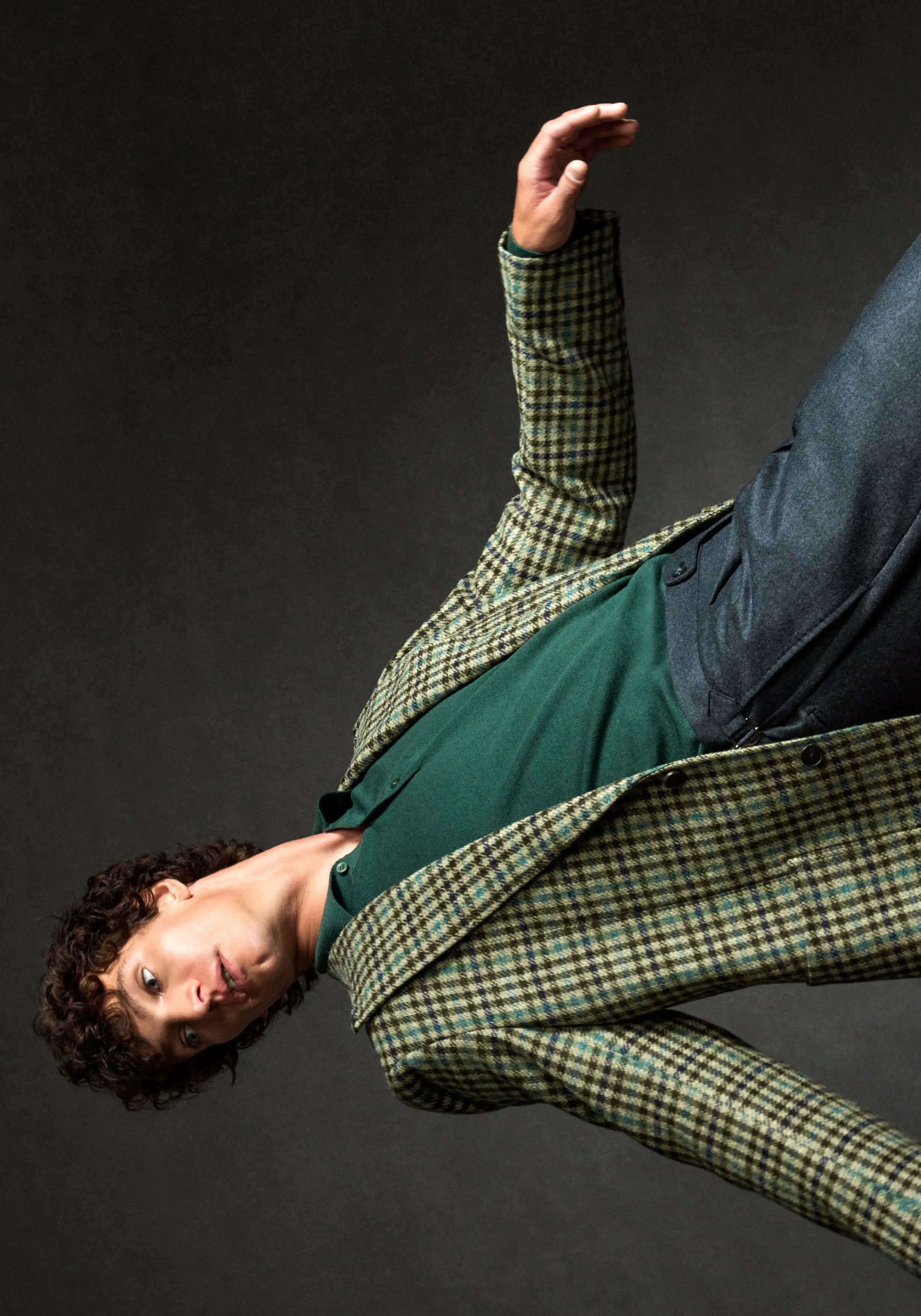
The Gun Club check has its roots in the British countryside of the late 19th century—most commonly traced to Scottish estates, where variations of small-scale checks were adopted for field sport. Designed with purpose, the pattern allowed the wearer to move through landscape without standing apart from it. Browns, olives, rusts and soft greys tones drawn directly from the terrain.
Structurally, it sits as a variation of the Prince of Wales check, broken down into a tighter, more irregular overcheck. At a distance, it reads almost as a solid. Up close, the complexity reveals itself - measured, never overstated.
As country dress began to inform city wardrobes in the early 20th century, the Gun Club check made a natural transition into tailoring. It offered something that plain cloths could not: depth without formality, pattern without excess. Jackets first, then suits - always with a sense of ease.
Cloth makers have carried it forward, each with their own interpretation. Fox Brothers softens it through brushed flannels suited to everyday tailoring. Abraham Moon & Sons maintains the more traditional, robust tweeds. Caccioppoli refines it - lighter weights, quieter palettes, and a softer, more contemporary handle.
For us, the relevance is unchanged. The Gun Club check sits comfortably between formal and casual- something that integrates easily into the wardrobe rather than standing apart from it.
We favour restraint in scale and colour, allowing the pattern to read as texture. Cut with a little ease through the body and a natural shoulder, it works across jackets and suits with equal clarity.