
The Collar That Told On You
4 minute read
Winchester Shirt ↗
A shirt collar has never just been a shirt collar. In 1827, a woman in Troy, New York, tired of laundering her husband's whole shirt every time the collar frayed, cut the collar away so it could be washed on its own. Hannah Montague's shortcut turned Troy into Collar City, an entire town built on a piece of cloth the size of a man's neck, and gave America its first garment built for appearance as much as warmth.
The collar wore fastest because it met the skin, the sweat, the grime of the working day. Cut loose, it could stay white long after the rest of the shirt had given up. White became the currency of respectability through the rest of the 1800s. A clean collar told everyone you worked with your mind, not your hands, and could afford the laundering that proved it. "White-collar worker" is not a metaphor. It is a literal description of a man who could keep his collar spotless because his day never dirtied it.
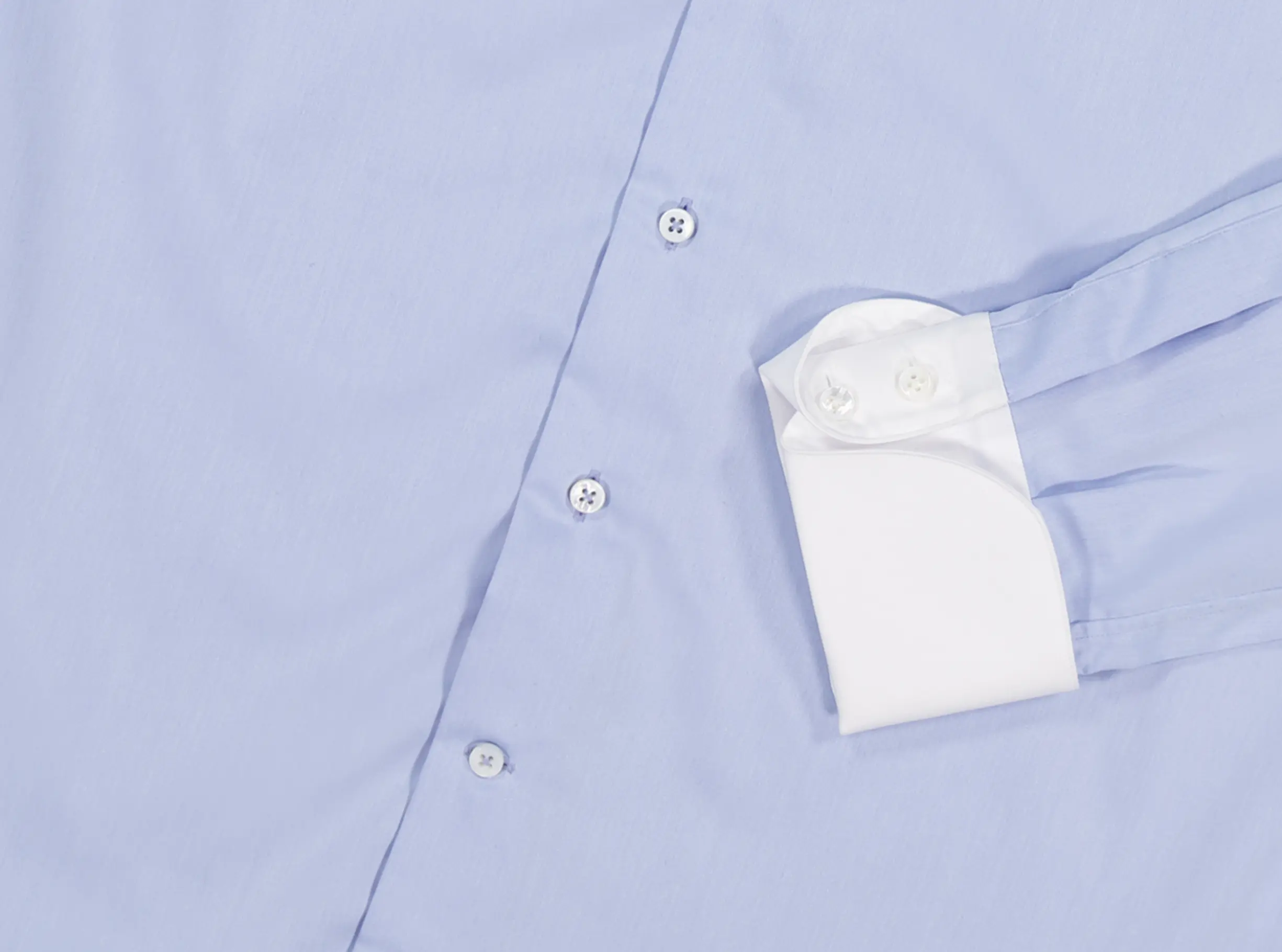
Gentlemen soon paired that immaculate detachable white collar with coloured or striped shirt bodies, and one name attached itself to the combination. Oliver Fisher Winchester, a Boston man who set up the Winchester and Davies Shirt Manufacturing Company in New Haven in 1848, gave his name to a style he can't have fully anticipated. A Winchester shirt, properly understood, is a coloured or striped body under a white collar and cuffs. Every Winchester is a contrast collar. Not every contrast collar is a Winchester. It is a tailor's distinction more than a customer's, but worth knowing before you order one.
By the 1920s, with the First World War having knocked some of the fuss out of a man's morning routine, the collar was sewn permanently onto the body, and the modern contrast collar was born. Then it went quiet. Through the middle of the century, as menswear settled into stronger, matched colours, the style survived mostly on conservative older men and stopped being interesting to anyone else.
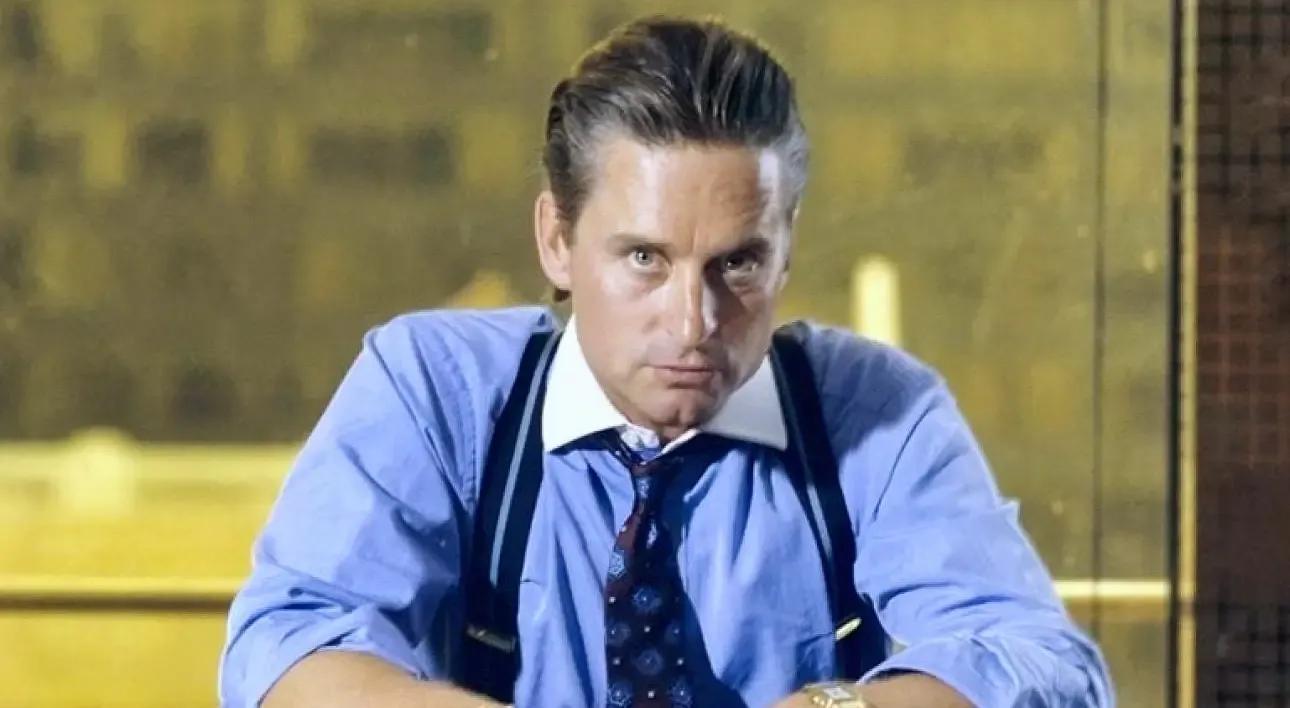
Then Oliver Stone put Michael Douglas in one, and Gordon Gekko dragged it straight back into view. Wall Street, 1987, and suddenly people were searching for "Gordon Gekko shirt" and "banker shirt" without knowing they were describing a garment invented by a Victorian tradeswoman trying to save herself some ironing. The shirt found its way back to its original meaning, status and authority, just turned up to a volume the Victorian clerk could never have imagined. The clerk had become the master of the universe, one white collar apart.
We have made and fitted plenty of these over the years, buying trips to English and Italian mills included, and what strikes me standing in a workroom rather than a cinema is how little the appeal has actually changed since 1827. Nobody needs a detachable collar any more. Nobody needs a white collar against a coloured body either. The whole garment survives purely on what it signals, exactly as it always has. The difference now is that a man chooses it. He is not proving he can afford the laundry, and he is not trying to look like Gekko. He is choosing a piece of history because he likes the way two centuries of respectability, status anxiety and corporate theatre sit around his neck.
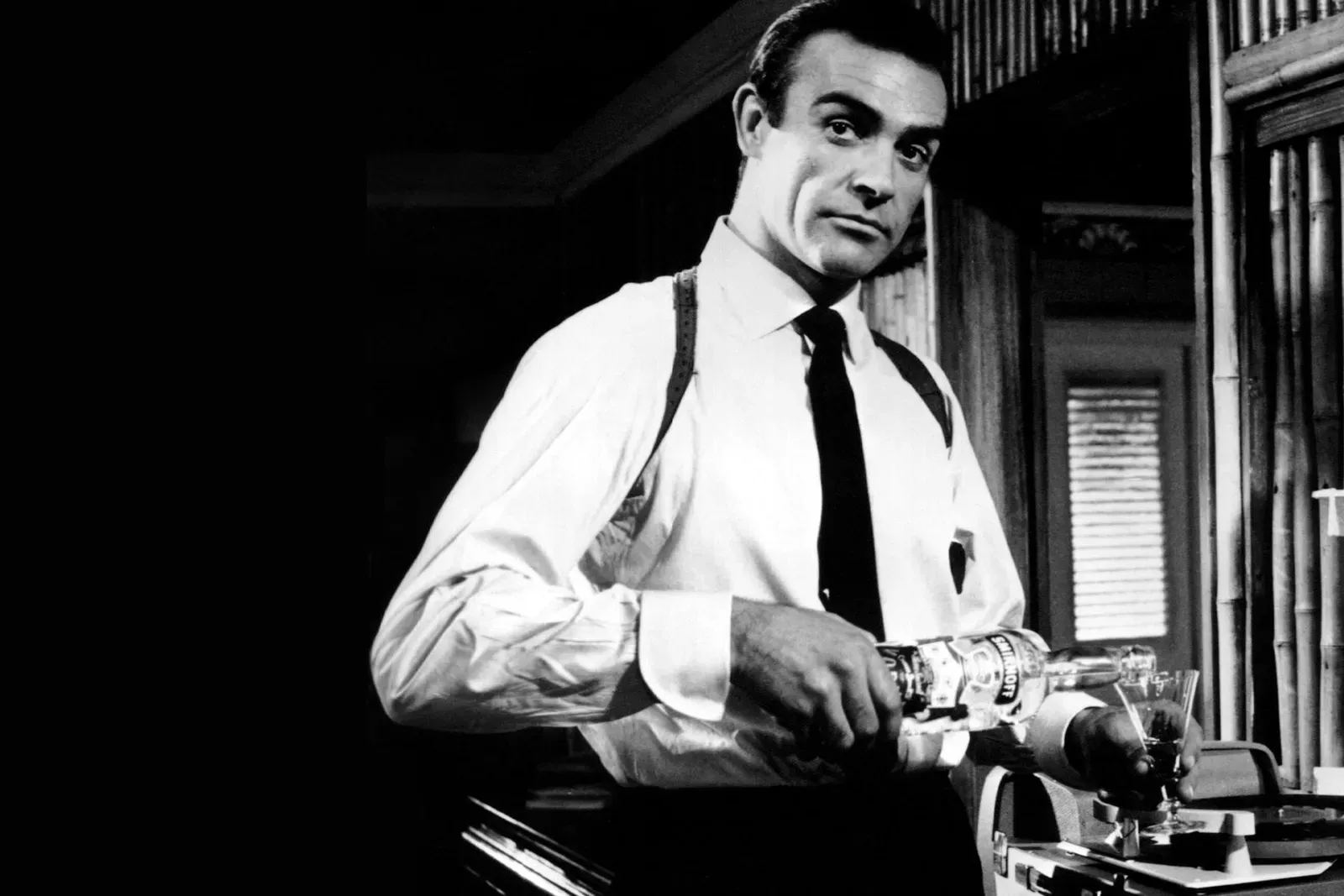
Start with pale blue if you haven't worn one before, white collar beneath navy tailoring, about as close to foolproof as tailoring gets. Pink is bolder than people expect and more traditional than they realise. Keep the cuffs white. We favour the Neapolitan cuff, folded back like a double cuff but fastened with buttons, the cocktail cuff Connery wore as Bond. Then let the collar do the talking. It has been doing that since before any of us were born.