Never Designed to Fit
3 minute read
Design
Marginalia
Written by Murray Crane
The first time I thought a suit was cool, I was nine approaching ten.
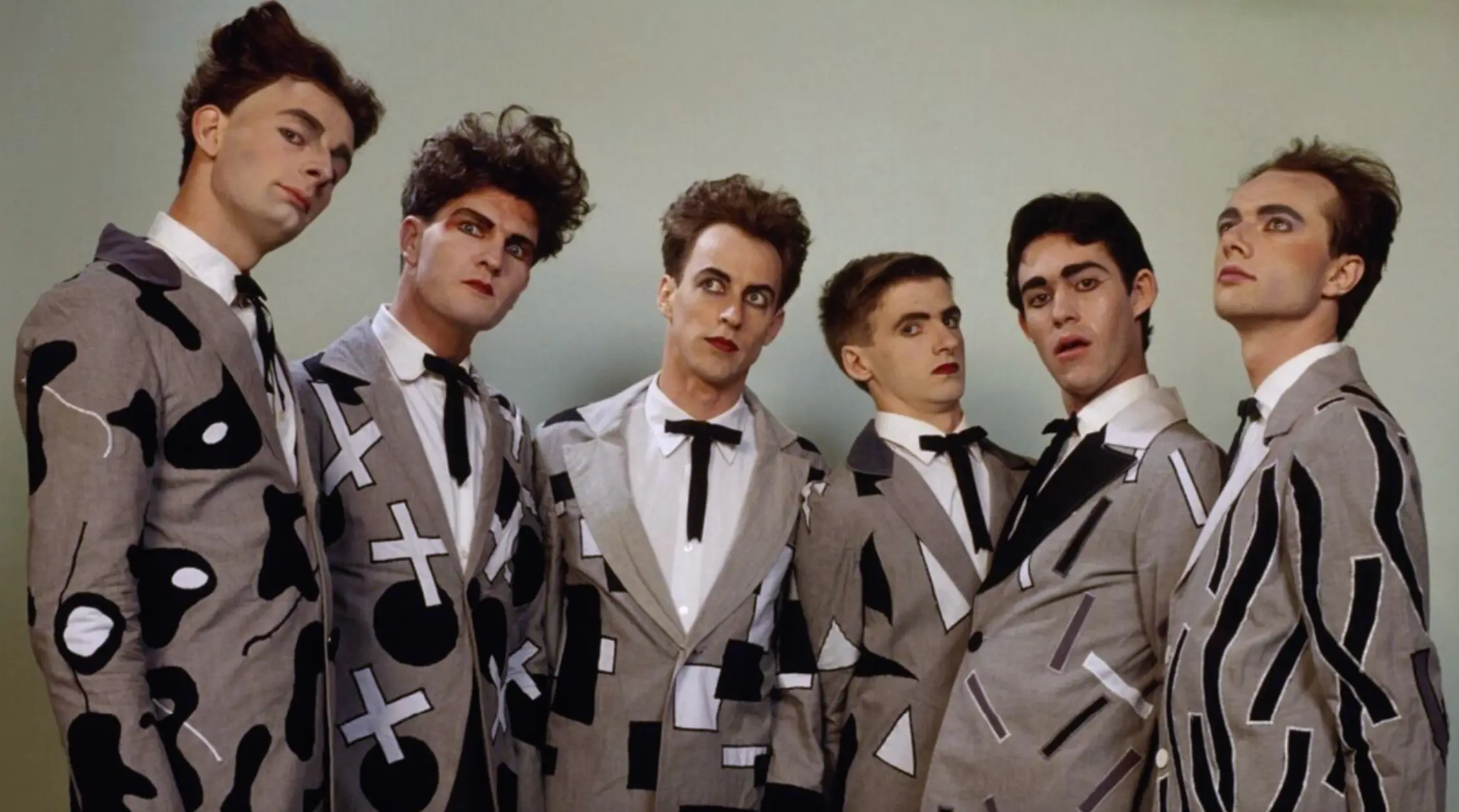
My parents were out for the evening. The babysitter let me stay up for Radio with Pictures. The Sunday Horror was a bridge too far, but Split Enz came on first, and that was enough. I had never seen men dressed like that. I had never seen anyone dressed like that. Something shifted.
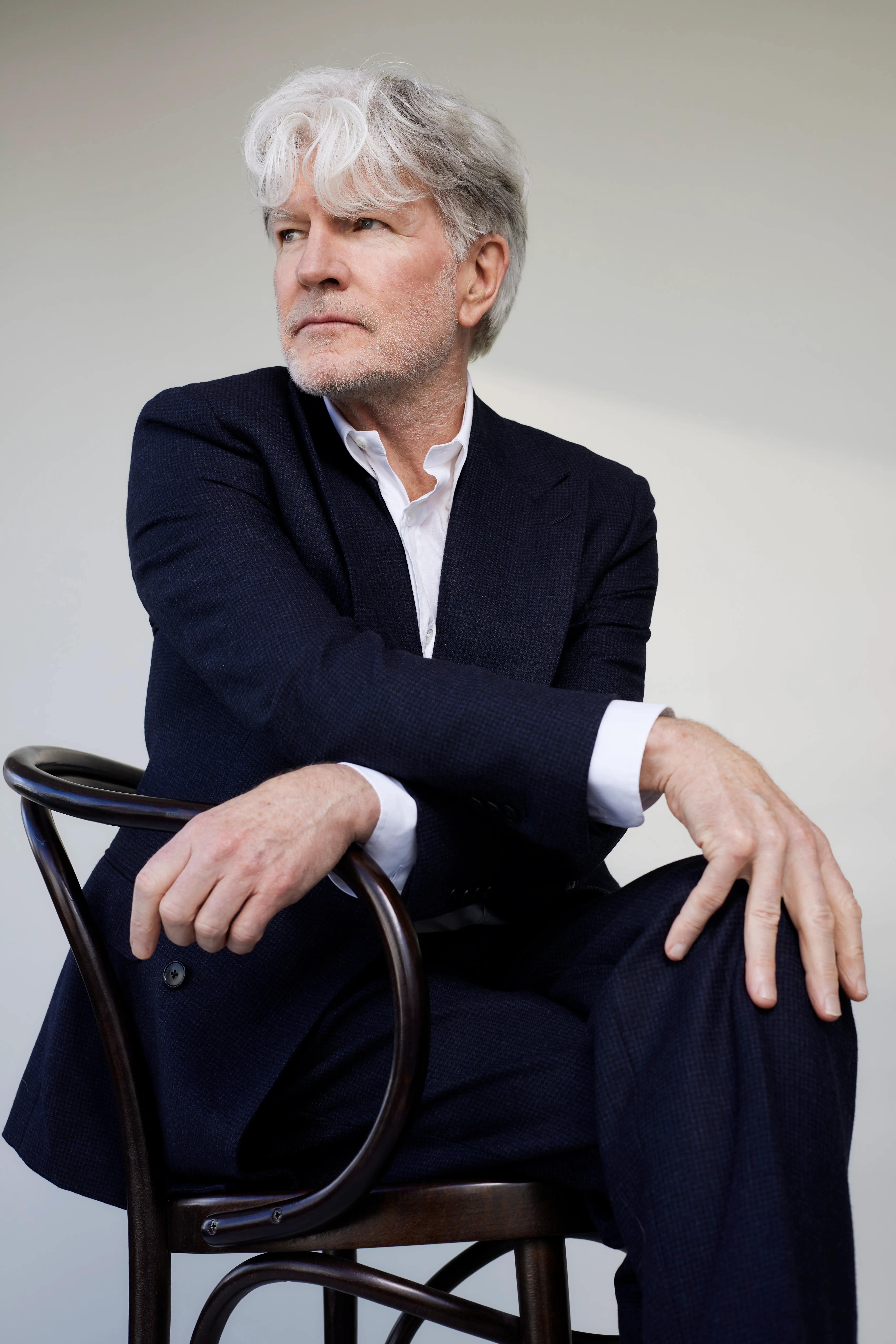
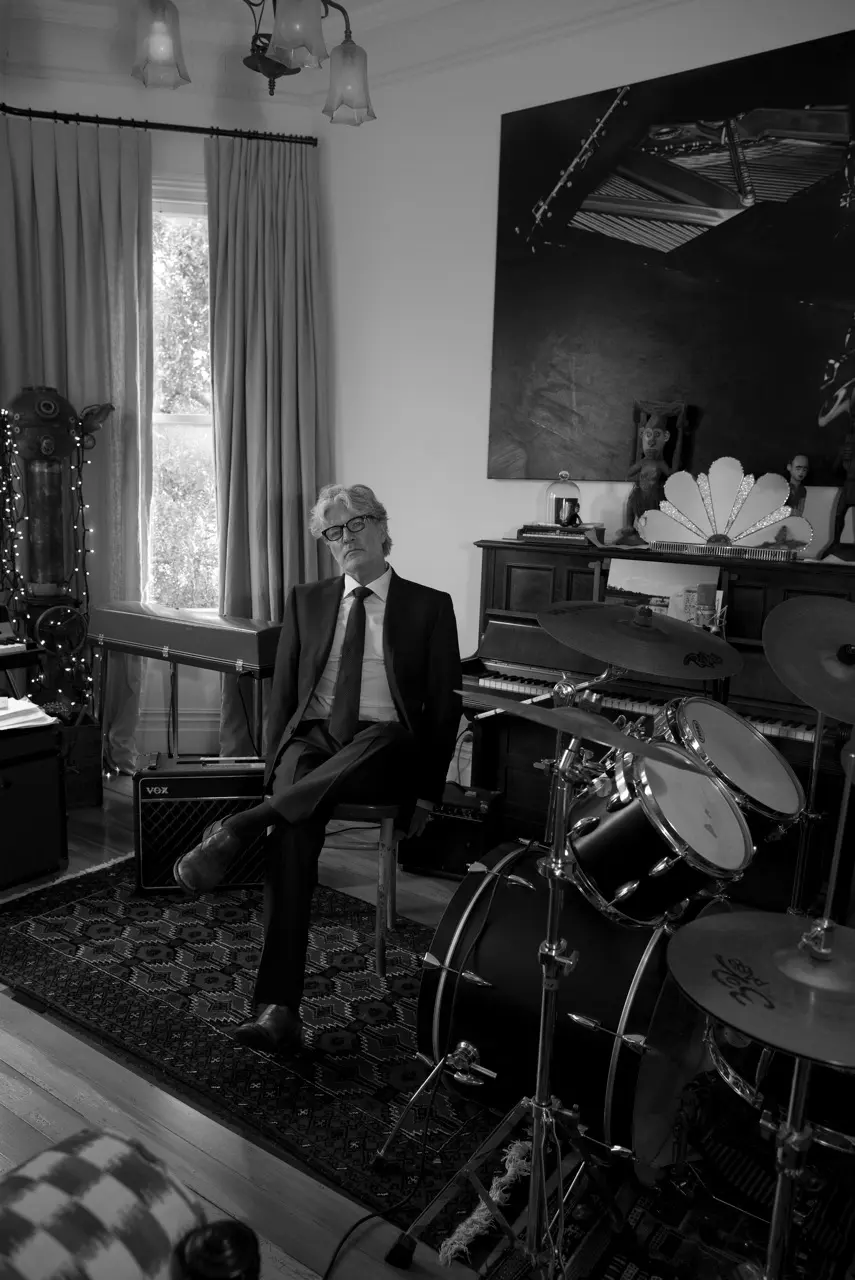
Years later I was lucky enough to dress Tim Finn - more than once. That nearly ten-year-old would not have believed it.
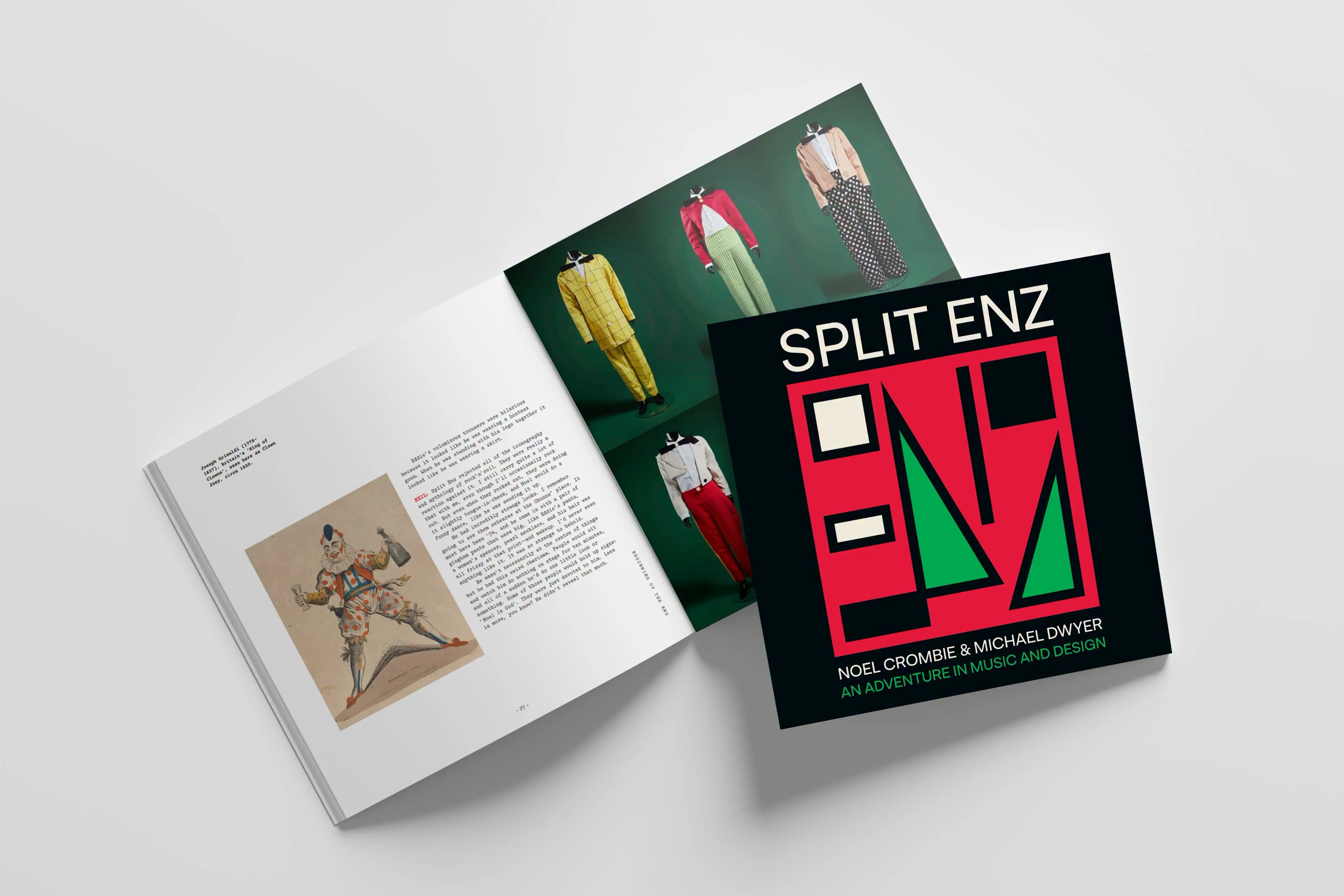
Now there is a book. Split Enz: An Adventure in Music and Design, by Noel Crombie and music journalist Michael Dwyer, published by Allen & Unwin this week. It was made with the band's full participation. 184 pages, square format, full colour throughout.
Crombie joined in 1974, more or less by accident. He played the spoons. He also cut the hair, painted the faces, designed the album covers, directed the videos and made the suits. This is his account of that work, and it confirms what I suspected from the living room floor. Split Enz were a clothing story as much as a musical one.
The costumes were not fashion. Nobody in New Zealand in the seventies could have bought them. They were made by hand, often from whatever cloth was cheap, with scissors, paint and a good deal of nerve. The shapes were ones no tailor would have signed off. Exaggerated shoulders. Hard angles. Clashing prints. Trousers that argued with the leg. That is exactly why they worked. Rock had a uniform at the time: denim, long hair, studied indifference. Split Enz refused it and dressed for the theatre instead.
There is a lesson in that for anyone who makes clothes. A garment carries an idea. When the idea is clear, the construction can be wild and still read. When it is not, perfect tailoring looks like nothing at all.
What strikes me most is the discipline underneath the colour. Crombie was not decorating a band. He was building a visual language, and he held it together through line-up changes, a move to London, lean years and then the breakthrough of True Colours in 1980. The look evolved. It calmed, it sharpened. It never lost its author. Most brands lose their nerve the moment someone starts paying attention.
It is also a very New Zealand story, which appeals to me immensely. Art school mischief, very little money, a long way from anywhere that seemed to matter. There was nobody nearby to copy, so they made it up and made it themselves. That is the Kiwi DIY tradition at its best: a kitchen table, a sewing machine and an idea nobody asked for. It is something artificial intelligence could never imagine or understand. You cannot predict a man in a painted suit playing the spoons. Someone simply has to do it.
This year marks fifty years since Mental Notes, and the Forever Enz shows in May were the band's first together in nearly two decades. The book is a record of how they looked while they were busy sounding like no one else.
It is on the shelf now at Unity Books. Worth a look. Worth keeping. And if there is a ten-year-old in your house, let them stay up.