Marginalia - Easter Reviews
Marginalia
Reading
Musings
Brief, considered reviews of the books and writing currently shaping our thinking.
Reviews by Chloe Blades for Crane Brothers
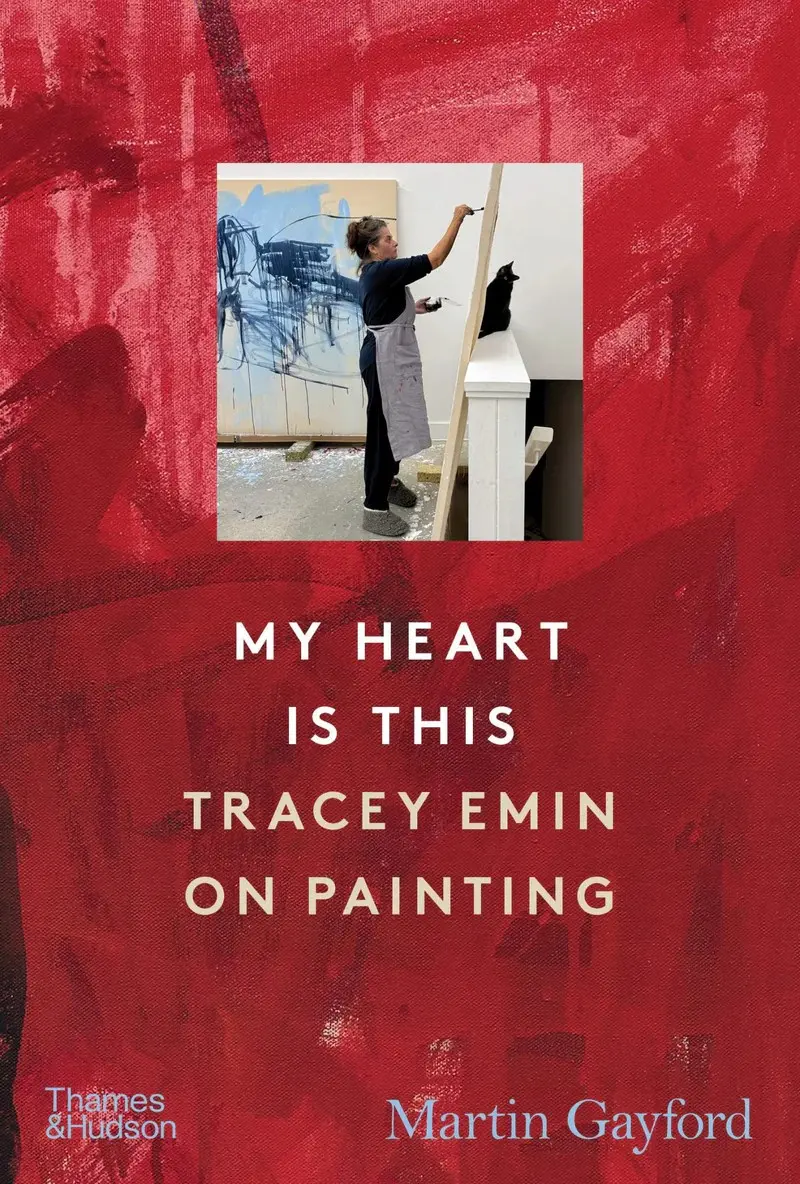
My Heart is This: Tracey Emin on Painting by Martin Gayford
I recommend devouring anything Martin Gayford publishes. His perspectives on artists are unparalleled. He positions himself in the narrative like a ghost, there but not there, pulling interesting anecdotes out of artists on their past, influences, troubles and politics. He was a confidant of Lucian Freud who he immortalised in Man With a Blue Scarf. He gave an arc to decades worth of conversations with his friend David Hockney in A Bigger Message, and has now published an opus on the prolific and controversial artist, Dame Tracey Emin. This book paints a whole picture of Emin, opening with the cork tree at her studio in the south of France that she watched die and regenerate as a way to explain her own regeneration following her diagnosis with bladder cancer. She ponders a thought she had “the other day” on why she paints, and what follows is 256 pages of colour illustrated conversations where she relives, through her own words, the history of controversies, politics and lessons learned through age and art. It’s a mesmerising account of the minute detail at the heart of Emin’s extraordinary work, and no one could have narrativised this quite like Gayford.
Publisher: Thames & Hudson, $70
Unity Books ↗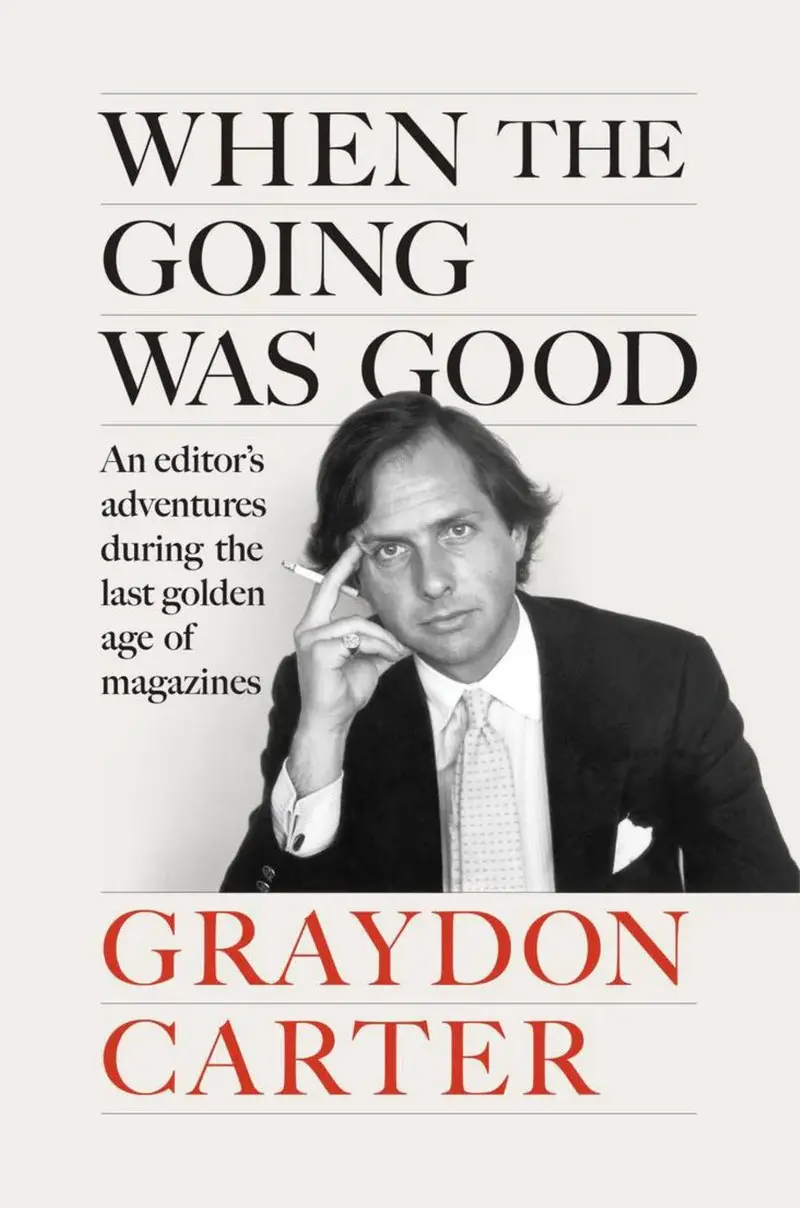
When the Going was Good by Graydon Carter
Vanity Fair itself published a review of this memoir from its long-reigning former editor, saying it’s “written in his signature gait and filled with glorious details” - and glorious details they are too. Carter sat at the helm of this institution for 25 years during the magazine era's Golden Age. He’d come from a magazine he started called Spy, which published extreme gossip about celebrities. This didn’t make for a warm welcome in Hollywood once he was made editor at VF, yet he triumphed. He regales stories of how he brought together the best staff writers, wining and dining with them and sending them to farflung places in the name of research. There are anecdotes about John and Nick Dunne, two feuding brothers, who went to a Vanity Fair party and brought their arguments to the table with Joan (Didion) forced to mediate. He pokes at Trump throughout with mic-drop worthy wit and crowns himself for being the first to notice his tiny hands. But it’s the mischievous anecdotes that make this book, like when he and a friend spent a year seeing what famous people (Murdoch, Trump…) would bank really small checks ($0.13) under the made-up business, the National Refund Clearinghouse. It’s the kind of ‘celebrity’ memoir that you’ll want to read twice for its nostalgia, gossip, and unveiling of a lifestyle unbeknownst to most of us.
Publisher: Grove Atlantic, $40
Unity Books ↗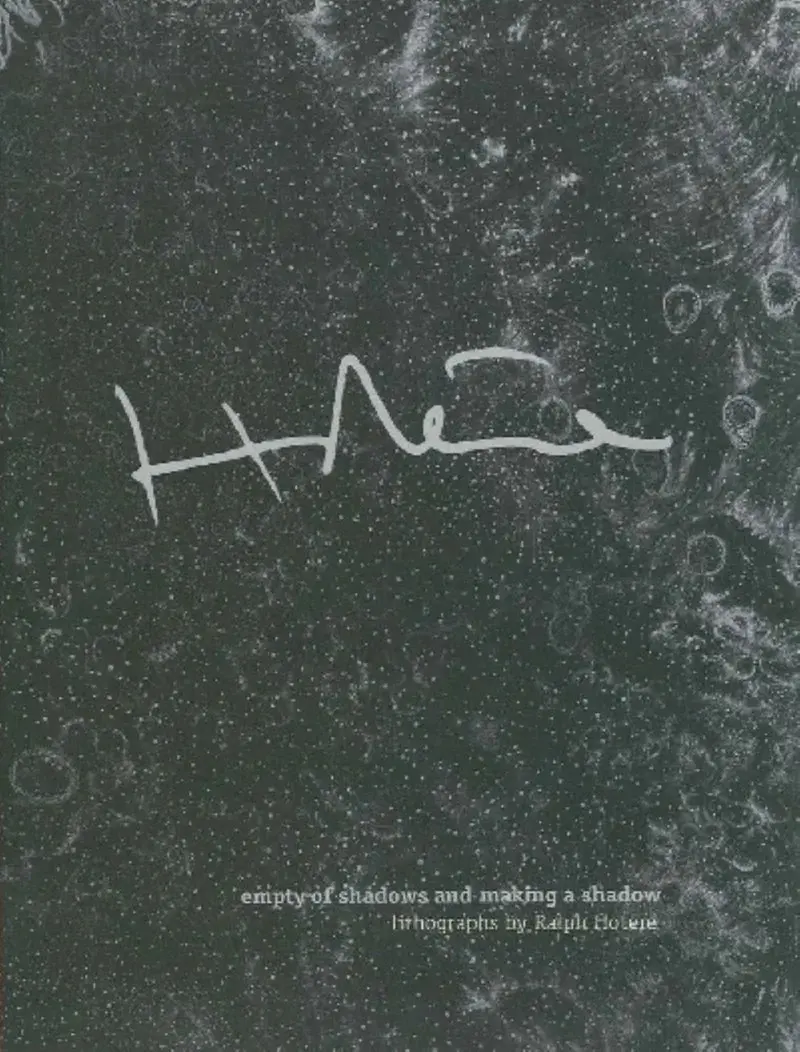
Hotere: Empty of Shadows and Making a Shadow by Peter Vangioni and Jillian Cassidy
I experienced Ralph Hotere’s sculptural masterpiece, Black phoenix, built of burnt wood and metal, at Te Papa recently. Art writer Rangihīroa Panoho says of it, that it’s “the regenerated remains of a local fishing boat, the Poitrel, which Hotere witnessed burning down at its moorings from his Port Chalmers studio window.” This sentence carried the possibility of a hundred more as I imagined Hotere returning to the wreckage, collecting the charred remains, and maneuvering pieces to create what became a symbol reminiscent of his ancestral pā. In Empty of Shadows and Making a Shadow, with an introduction from lithographer Marian Maguire, something similar happens in how the reader’s guided through this lithographic portion of Hotere’s oeuvre, which “Hotere himself acknowledges as significant, and essential to gaining an understanding of his work.” Each lithograph with its marks, lines, words, stones, and surfaces reach a deeper look at the stories and histories that fuelled Hotere’s art practices. You’ll be able to see his work, alongside other great 20th century artists, such as Jacqueline Fahey, at Auckland Art Gallery from July 4th, in an exhibition titled Family Album: Queer Aotearoa.
Christchurch Art Gallery, $40
Unity Books ↗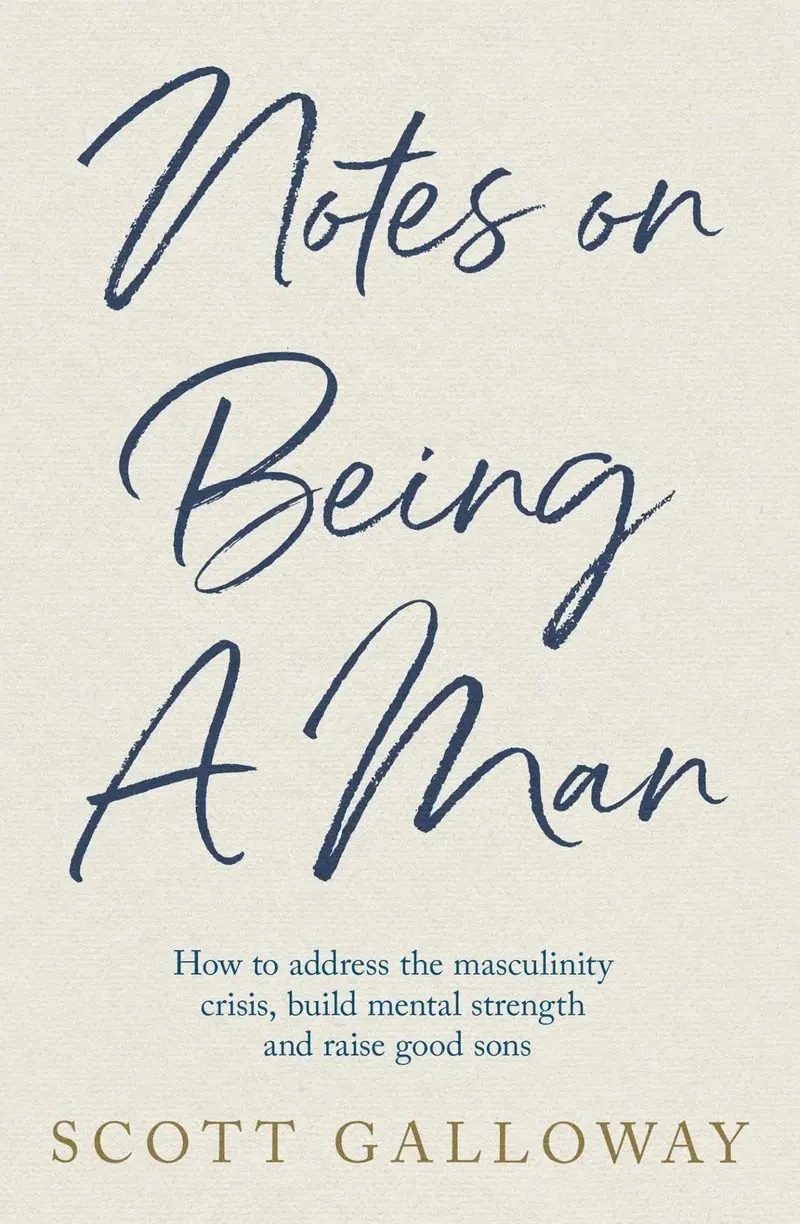
Notes on Being A Man by Scott Galloway
Contrary to the title, this isn’t the sequel to 12 Rules for Life, which was written by the manosphere’s absent father, Jordan Peterson, to explain why men have the right to take what’s theirs (women), which to get one must follow suit of the lobster (fight a man, show her your muscle). Instead, Scott Galloway, NYU professor, and co-host of the Pivot podcast, offers an alternative view of masculinity and its place in society using the biological, realistic differences between the sexes rather than the religious, subjugating ones. Galloway’s perspectives, entwined with his own upbringing, are an anxiety-reducing antidote to a world dominated by unrealistic portrayals in porn, fascist pin-ups, and higher rates of depression and suicide in teen boys, thanks to the “algorithmically generated content on social media [that] contributes to - and profits from - young men’s growing social isolation, boredom, and ignorance.” Through his vast skillset as a successful economist using data to analyse trends, he presents how “we can build on the gains women have registered over the past three decades and ensure there’s room for boys and young men in the conversation”.
Publisher: Simon & Schuster, $40
Unity Books ↗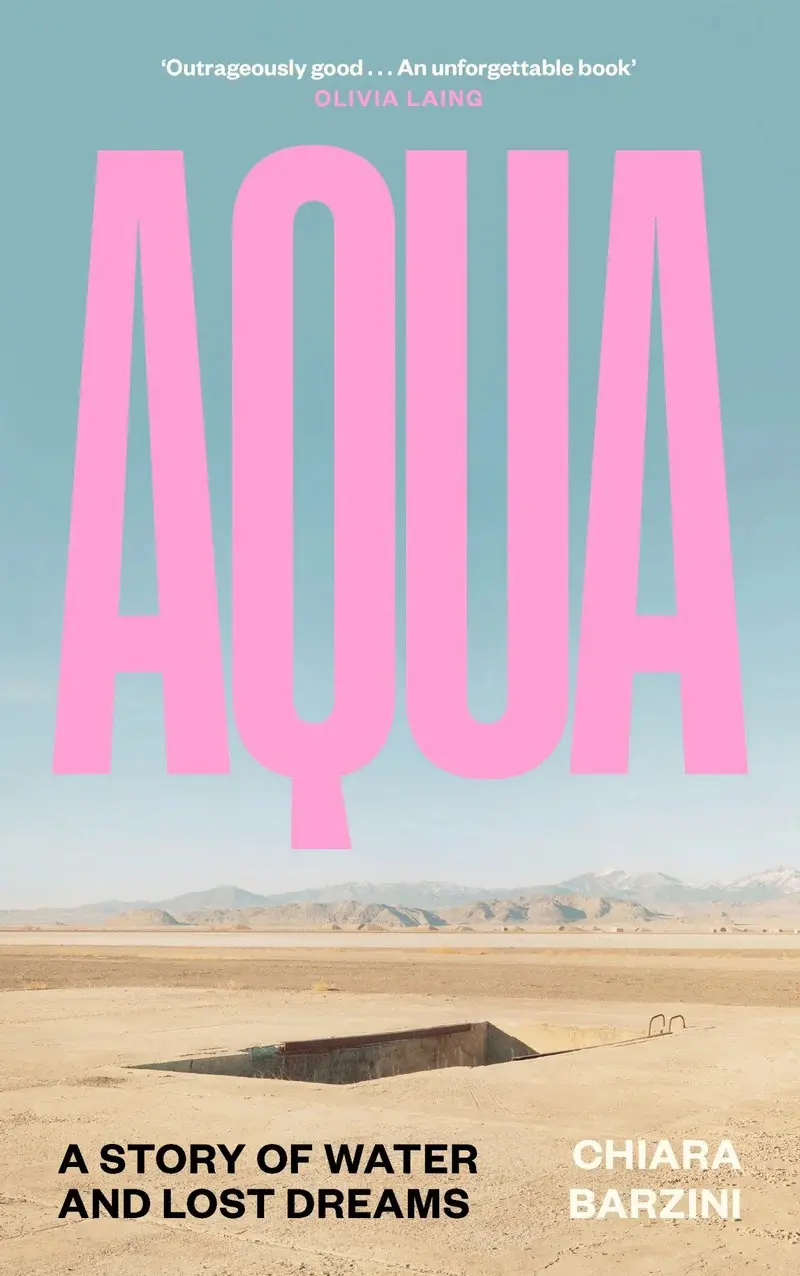
Aqua: A Story of Water and Lost Dreams by Chiara Barzini
I was initially skeptical. How could a memoir about the politics of California’s waterways be of interest to anyone beyond Californian hydrologists? But my skepticism was proven to be uncalled for. Chiara Barzini’s writing is magical, alluding to the very nature of what it seems to take to get water to the desolate, manufactured townships across California. Barzini’s Italian upbringing allows her to view the Californian landscape, the politics, mythology, history of Hollywood, and the men who’ve tried, and failed, to make their fortune redirecting water to a desert town, from a birdseye perspective. This gives her reporting, which is mostly on the road, a fresh, emotional attachment to the unbridled dreams and illusions of abundance she sees in the communities she visits. From the environmental disaster of the Salton Sea and the artworks of the Bombay Beach community, to the once bright alpine reservoir, now completely dried-up, and the trickle of the Alabama Spillgates, her story makes for an astonishing example of man's tumultuous relationship with nature, capitalism and control.
Publisher: Canongate, $40
Unity Books ↗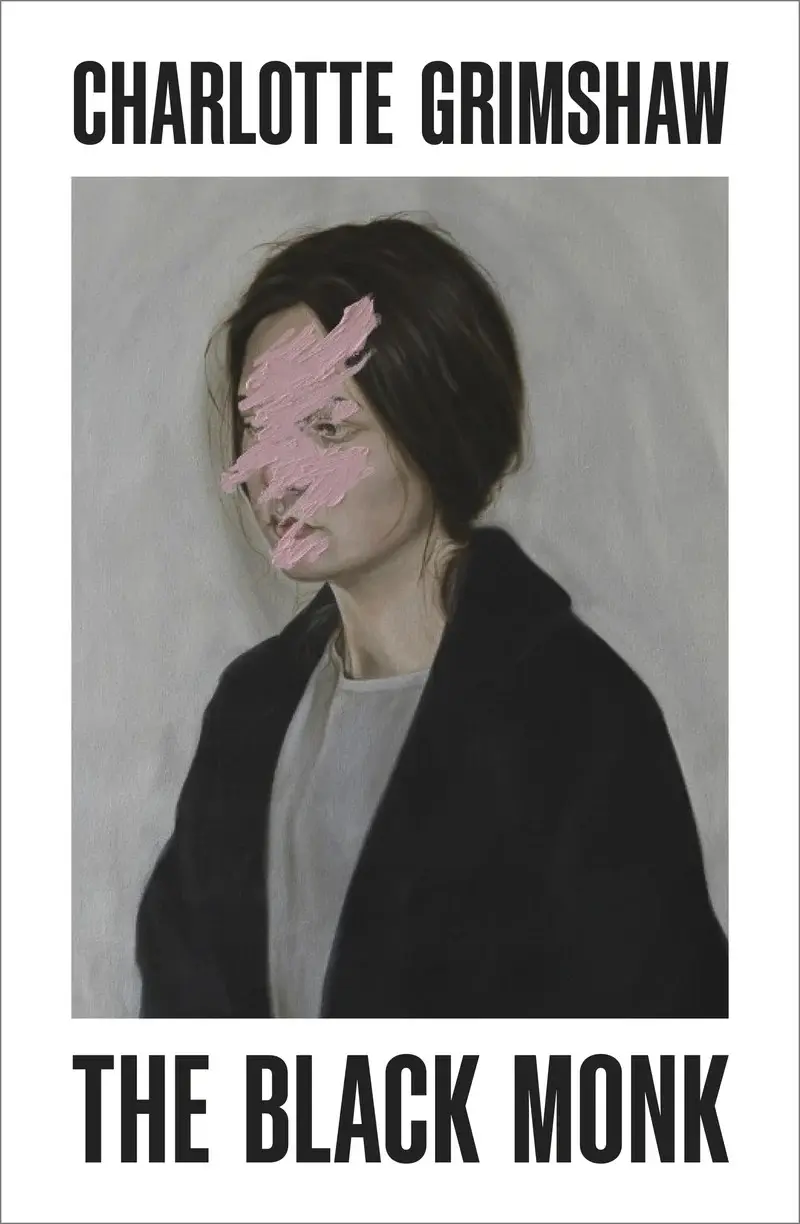
The Black Monk by Charlotte Grimshaw
Following the success of Grimshaw’s memoir, The Mirror Book, The Black Monk is a fiction that’s both experimental and genre defying. The Black Monk centres not only on Alice and her brother Ceddy’s alcohol addiction, as well as their family who are difficult, complicit and in denial, but an eerie figure that appears, disappears and reappears called Anton. Chekhov’s novel The Black Monk, published in 1893, deals with a similar shadow, and in Grimshaw’s novel he’s a shadow of the Jungian sort; “the unconscious, repressed, and often hidden part of the personality containing traits, desires, and impulses deemed unacceptable by the conscious ego or society”. It’s not fair to assume this novel is auto-fiction, but the repetition of Alice’s interest in writing a novel titled The Black Monk, that is a fictional version of real-life events in order to take control over an otherwise false narrative, as well as the undeniable parallels to Grimshaw’s family, invites the reader to treat it as such. It allows for the boundaries of fact and fiction to become indecipherable, and for the narrator to have autonomy. This novel is beautifully written, cementing Charlotte Grimshaw even further as one of our literary icons. I’ll be interviewing her at Lopdell House, Titirangi on April 12th, if you’d like to join .
Publisher: Penguin, $38
Unity Books ↗