
Grounded, Since 1851
5 minute read
Musings
Written By Murray Crane
In May 1851, George Gould opened a general store in Christchurch. It was the first in the settlement. That same month, George Douglas applied for a run near the Waipara River. It became Broomfield.
Two Georges. Two beginnings, weeks apart. One built the business that would serve the land. The other built a life on it.
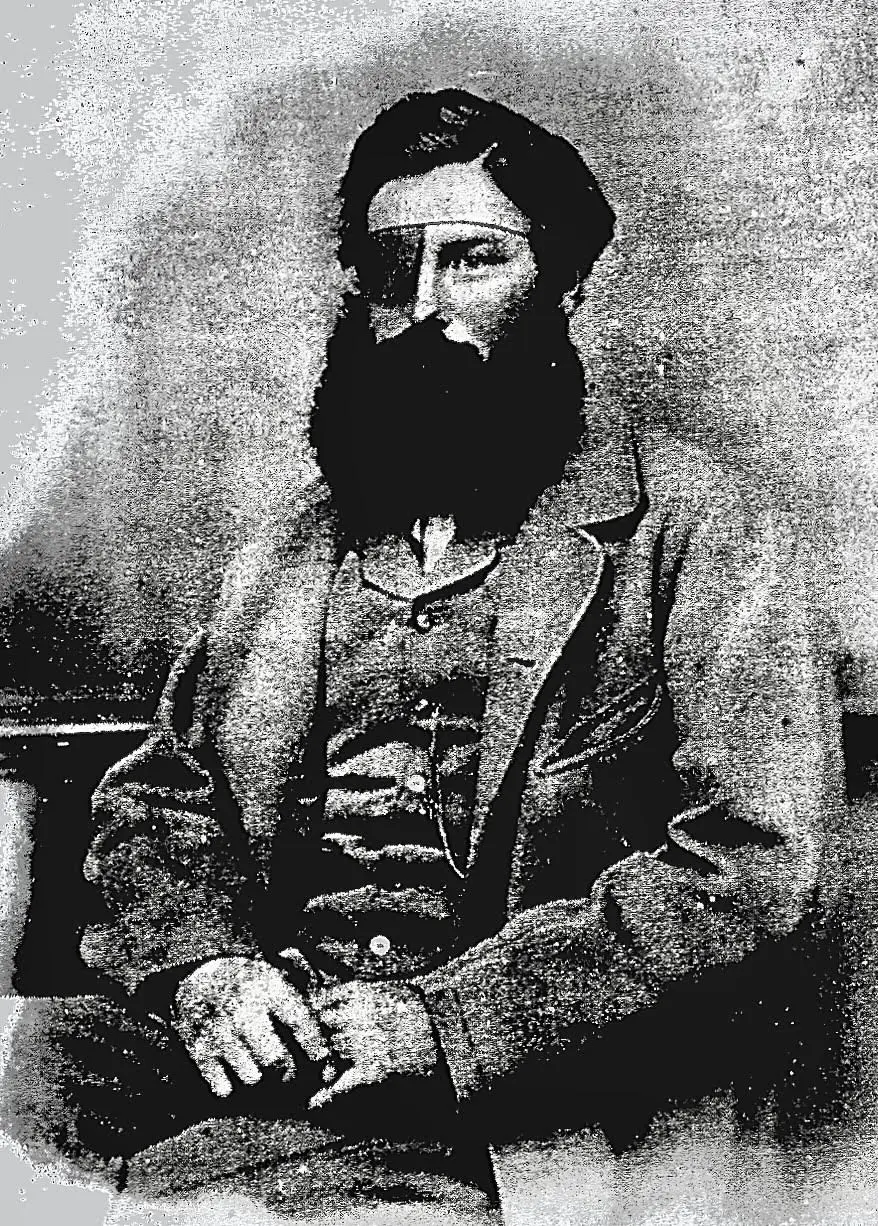
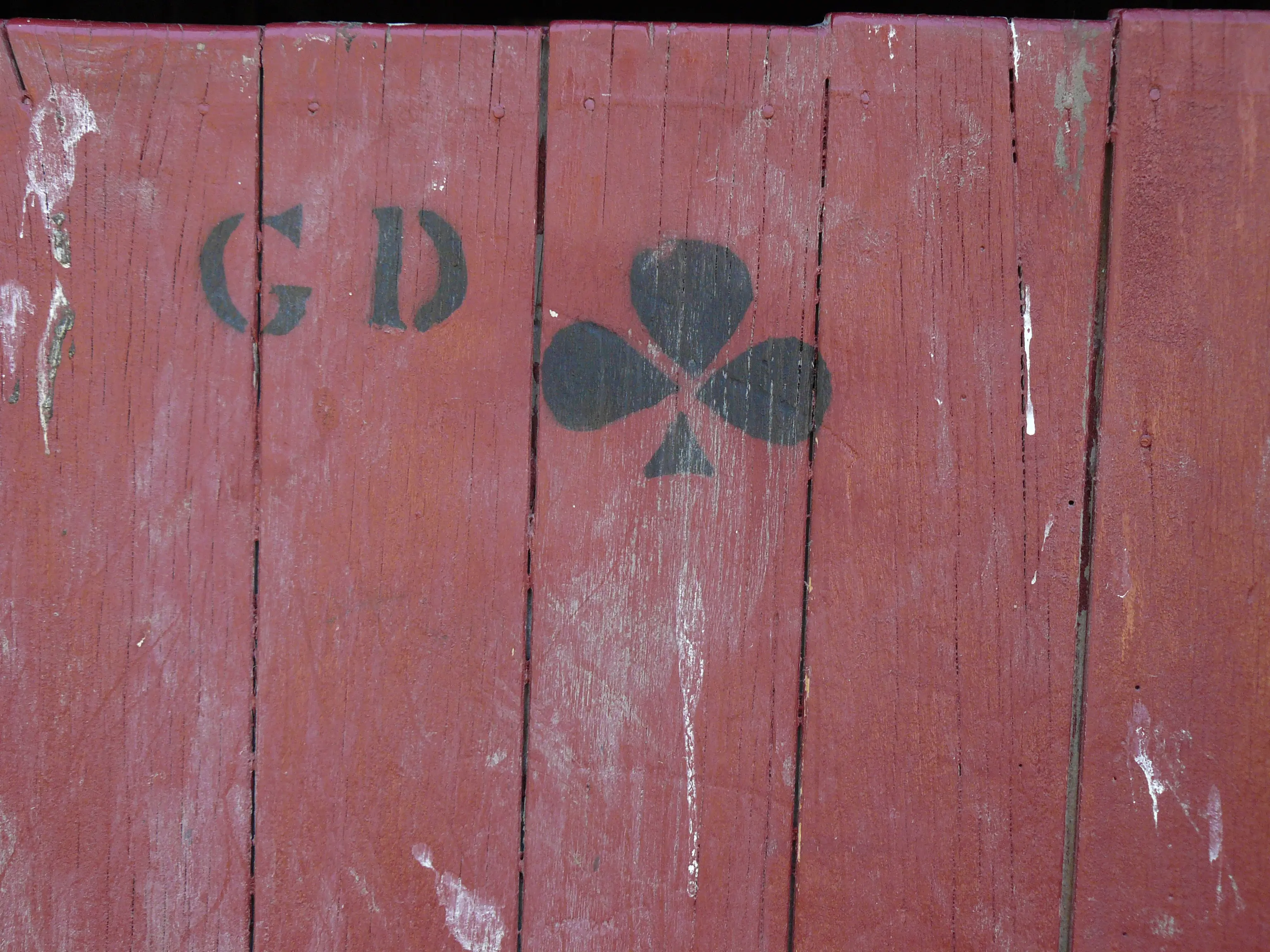
George Douglas was my great-great-grandfather. Born in County Wicklow in 1825, he had already lost an eye in a shooting accident when he sailed in 1849 with Captain William Mitchell, by way of Sydney. By August 1850 he was running Mitchell's Mount Grey station. He was one of the Pre-Adamites, the settlers already here before the Canterbury Association's first ships arrived. In January 1854 he registered his sheep brand, G.D., the second in Canterbury. He sat on the first committee of the Northern A&P Association, and farmed Broomfield, under Mount Grey, until his death in 1873. Douglas is my middle name.
His account book survives, kept in a fine copperplate hand, and it holds something I did not expect. In 1851 and 1852 he was paying wages, buying bullocks and settling board through Longden & Le Cren, merchants of Lyttelton. When Mitchell died, Longden & Le Cren were the agents instructed to auction the Mount Grey station. Henry Le Cren's eldest son would later be part-owner of Guinness & Le Cren in Timaru, one of the three firms that became Pyne Gould Guinness in 1919. My great-great-grandfather was their customer before the company had its name.
His daughter Mary married into the Purchas family. That is my mother's side. The land is no longer in family hands, but there is still a Purchas Road running through Broomfield, under Mount Grey. Names outlast titles. The connection now runs through people rather than paper.
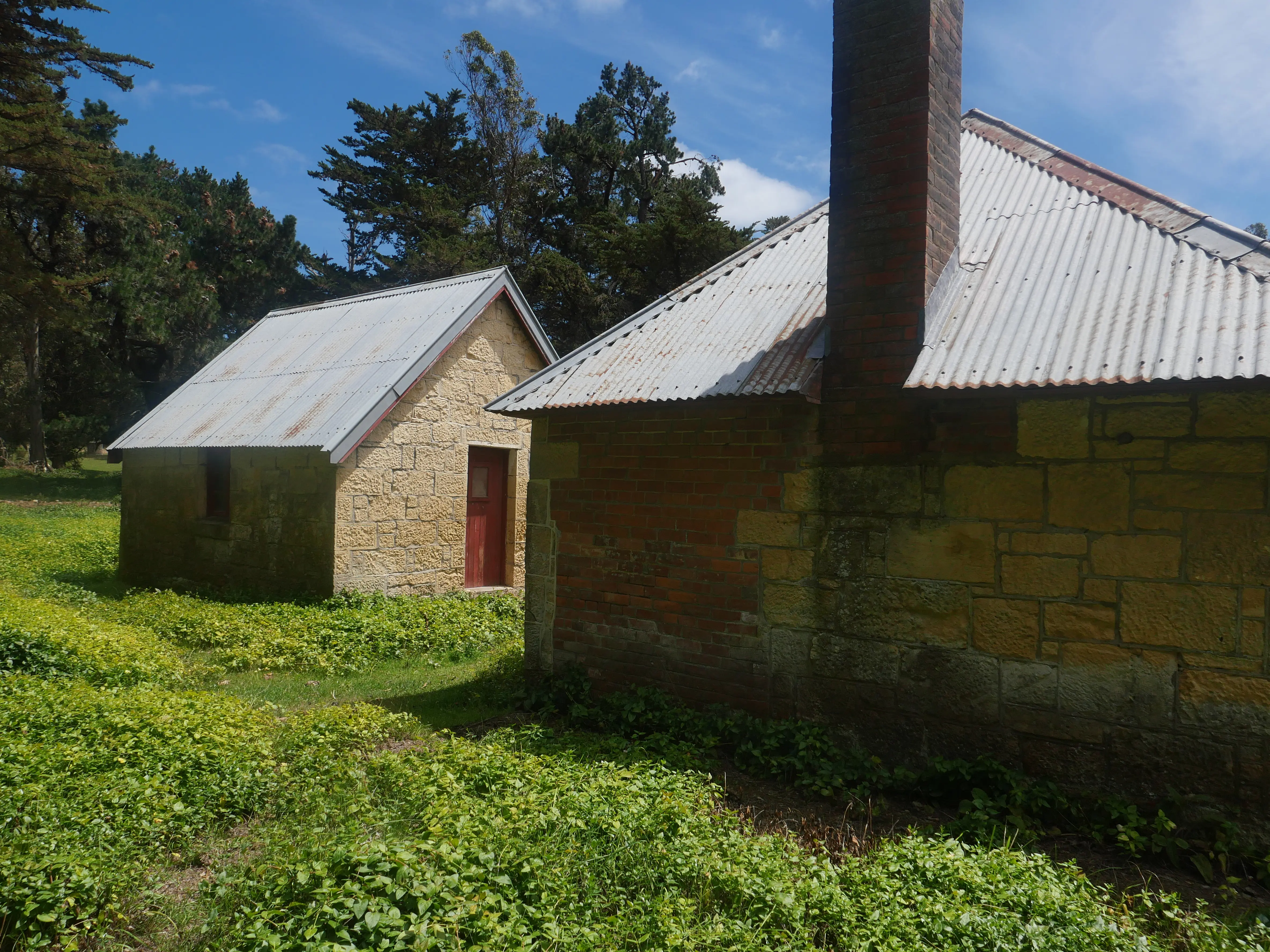
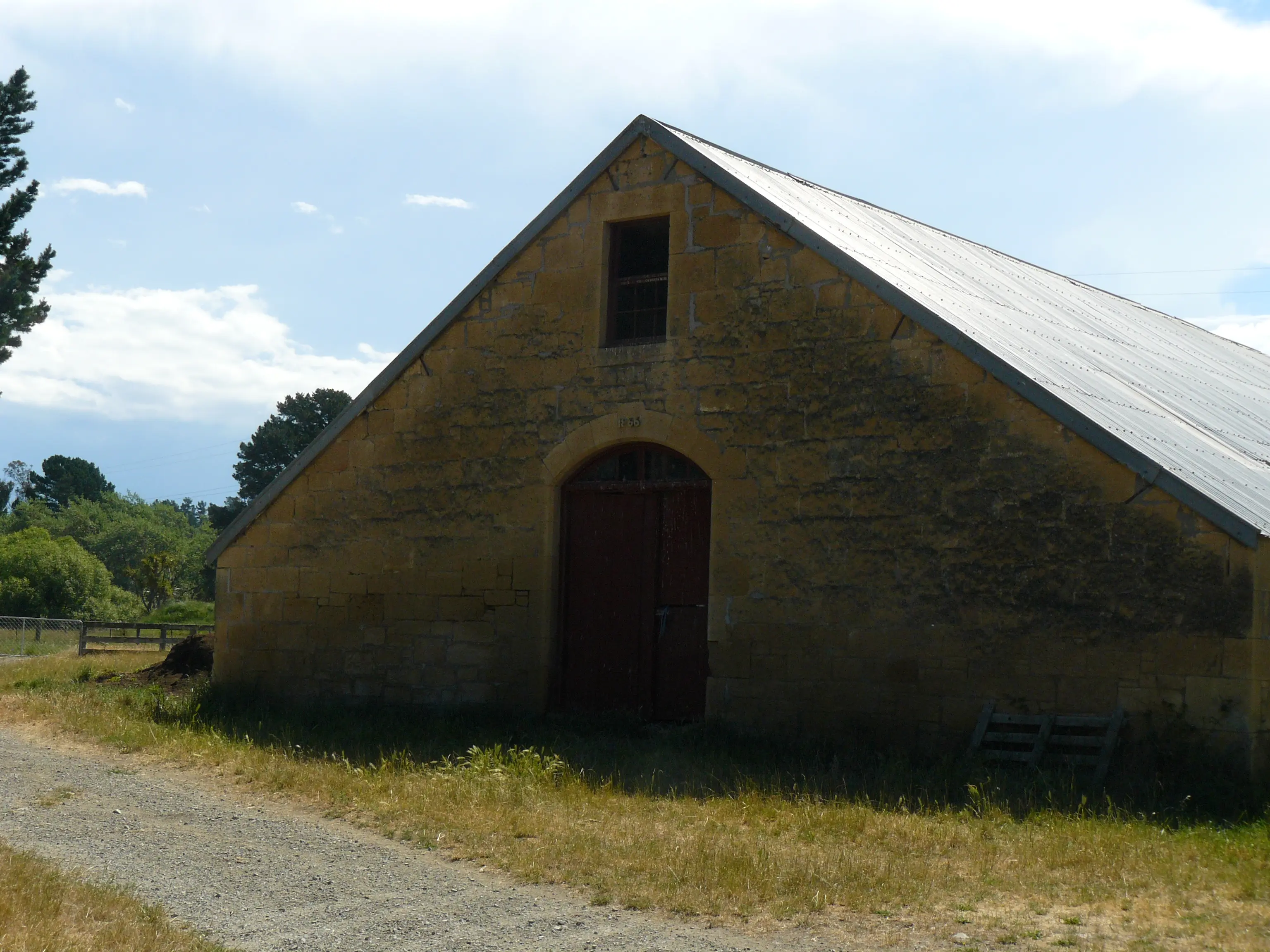
The station and the stock firm grew up together. That is how rural Canterbury was made. The farmer needed credit, supplies, an agent and a market for his wool. The firm needed the farmer to come back next season, and the season after that. Generations of it, on both sides of the counter.
My first proper holiday job was with them, in Geraldine. The branch had begun life as Maling & Shallcrass, the town's own stock and station agency, before it was folded into Guinness & Le Cren in 1904. It was the same Le Cren name that appears in my great-great-grandfather's ledger. Edwin Guinness himself had learned the trade on stations at Orari and Peel Forest, just up the road. I was a small town kid who needed work, and they were the ones hiring. Farmers came in for supplies, for advice, to settle accounts and to talk. You learned quickly that the counter was not really about the transaction. It was about the relationship. That lesson has stayed with me longer than anything I was taught formally, which was not a great deal. I left school in Geraldine at seventeen for the bright lights of Christchurch.
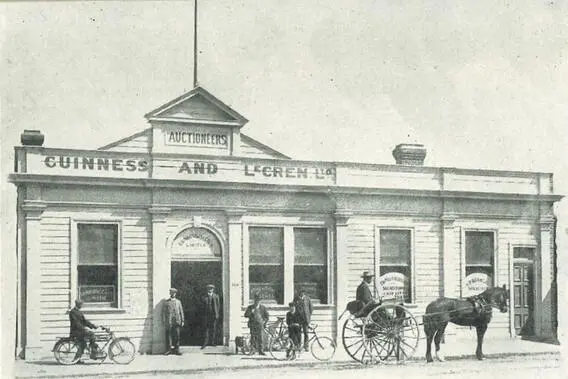
PGG Wrightson turns 175 this year. Their chief executive makes the point that the anniversary is not about nostalgia. I agree. Heritage on its own is just age. When Guinness & Le Cren merged in 1919, they chose fellow Cantabrians over a national firm, wary of being absorbed rather than joined. That instinct for staying close to the people you serve has lasted. Livestock now sells through a virtual saleyard. Stock is counted remotely. None of it would be recognisable to either George. And yet the business still rests on what it always has. Someone turning up, knowing the land, and knowing the people who work it. They are marking the year by telling the stories of long-serving staff and of families who have dealt with them for generations. This is one more.
Longevity is rarely about standing still. It is about changing the right things and leaving the rest alone. Nothing lasts by default. Not a station, not a business. It lasts because each generation decides to keep it going.
Crane Brothers opened in 1999. Twenty-seven years is a blink against 175. But the lesson travels. We remain wholly independent, with no outside shareholders. It is the thing I am proudest of. Our growth has been paid for by the business itself, and guided by hard lessons learnt young, many of them from grumpy old men on the other side of a counter. Guinness & Le Cren would have understood.
Our cloth comes from mills in Biella that have passed down through families for generations. Our clients come back, and increasingly bring their sons. Broomfield and Biella are a long way apart. They understand the same thing. In a photograph taken around 1860, George wears a long coat, a buttoned waistcoat and a watch chain. Properly dressed, even on the land.
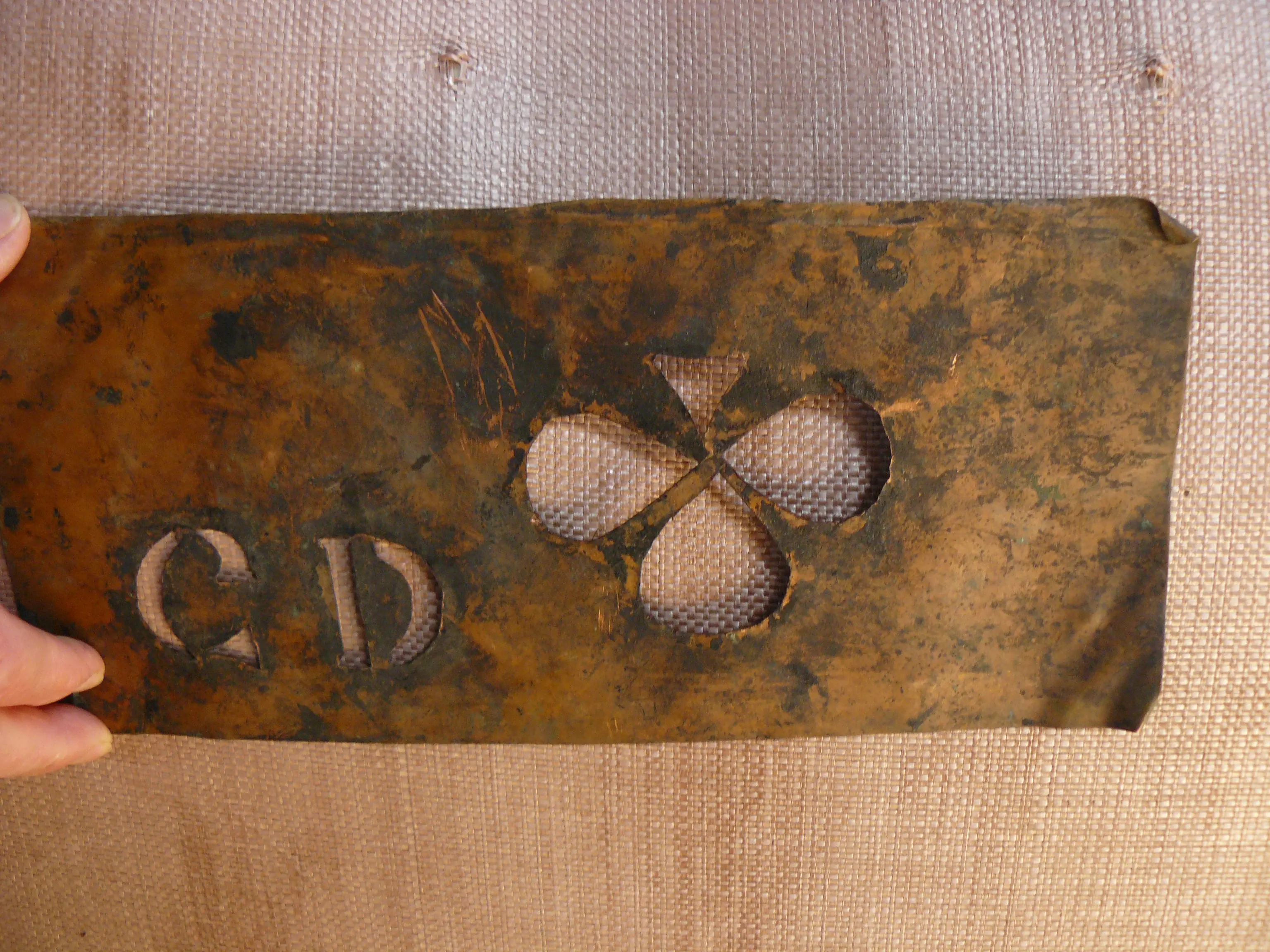
Wool is the beginning of what we do. My great-great-grandfather stencilled his bales with the letters G.D. and a shamrock. Today most people know wool by the Woolmark, the little swirl on the label that has promised pure new wool since 1964. It was designed by an Italian, which feels right. A station under Mount Grey, a stock firm in Christchurch, a mill in Biella and a tailor's workroom in Auckland are closer than they appear. I have a foot in all of them.
So congratulations to PGG Wrightson. One hundred and seventy-five years, earned season by season. The only way it can be done.
Grounded, as they say. It is a good word.